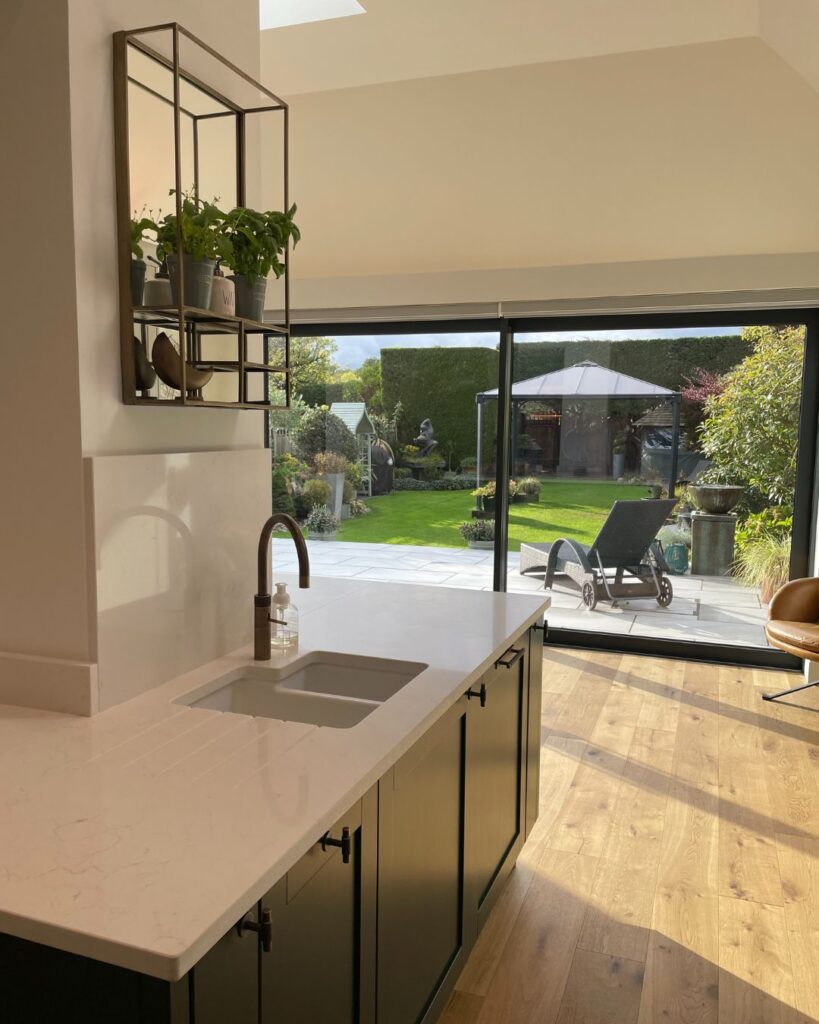

Transform Your Kitchen with the Perfect Kitchen Worktops| Expert Guidance from MP Moran Showroom
Your kitchen worktops is more than just a functional surface—it’s the centrepiece that defines your kitchen’s character, durability, and value, with 93% of UK homeowners choosing to update their worktops during kitchen renovations, selecting the right material has never been more important.
At MP Moran Kitchen Showroom, we understand that choosing kitchen worktops can feel overwhelming. This comprehensive guide will walk you through everything you need to know about materials, costs, maintenance, and the latest 2025 trends to help you make an informed decision.
Why Your Worktop Choice Matters
Kitchen worktops endure daily wear from hot pans, sharp knives, spills, and constant cleaning. The right choice combines:
- Durability for long-lasting performance
- Style that complements your kitchen design
- Practicality for your cooking habits
- Value for your investment
- Maintenance that fits your lifestyle
Premium Worktop Materials: Complete Comparison
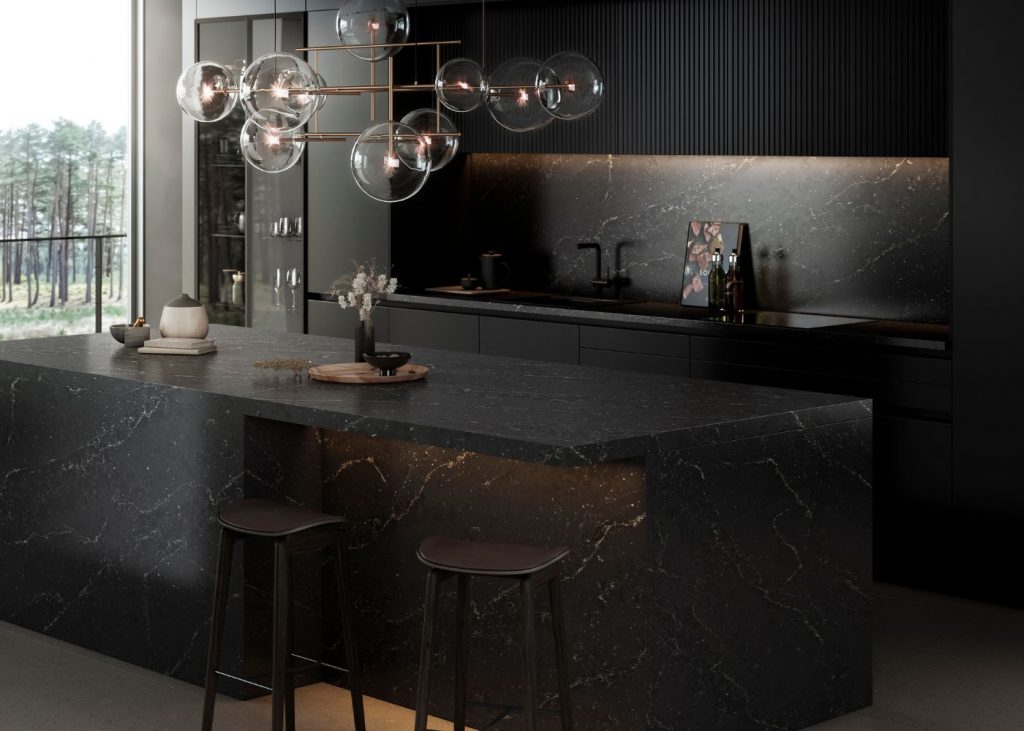
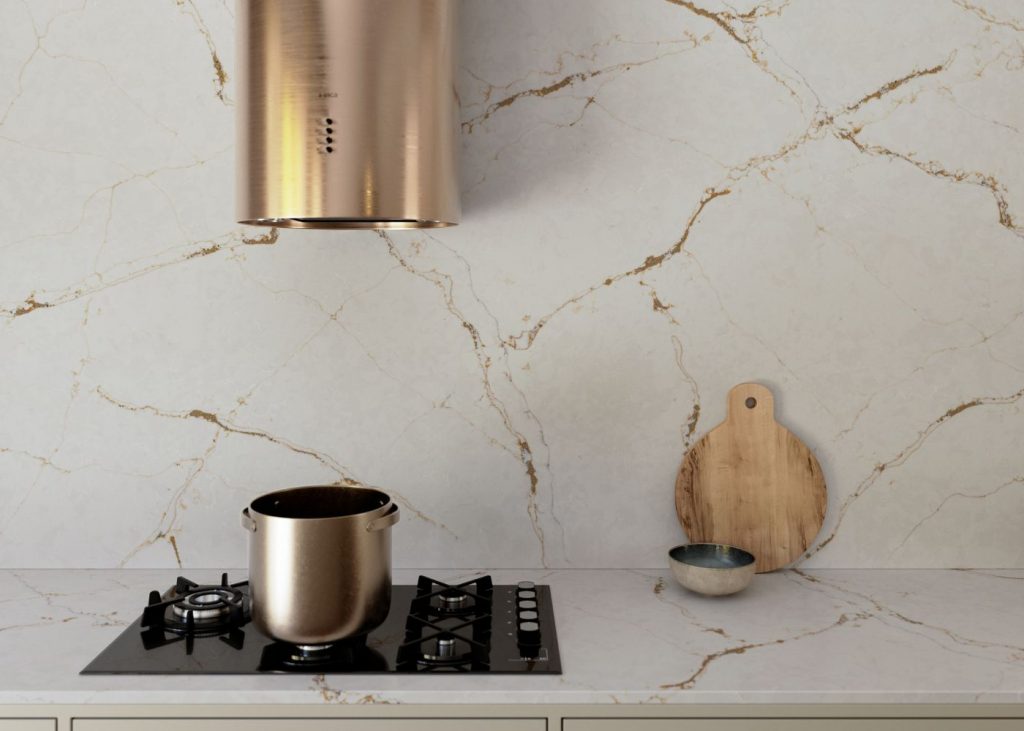
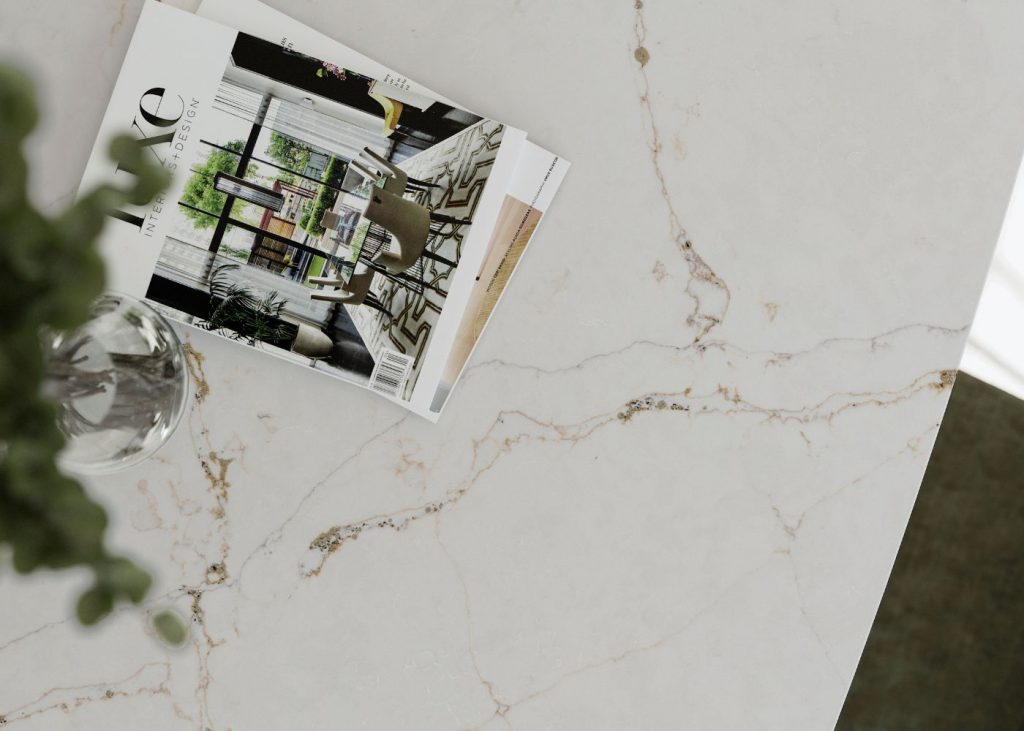
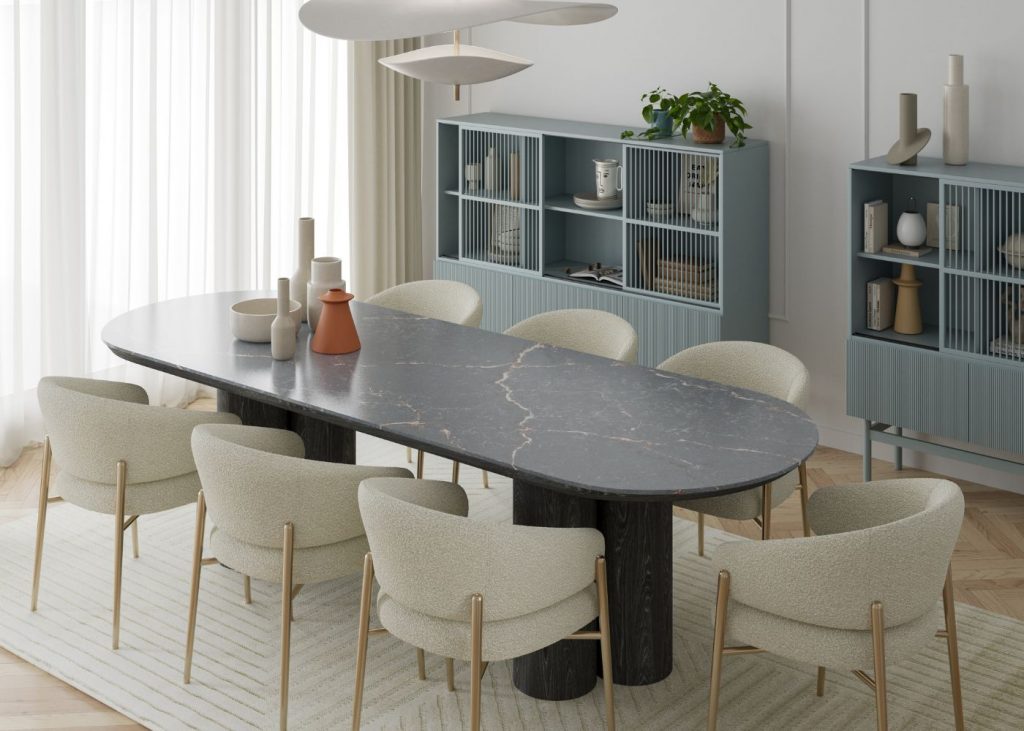
- Quartz Worktops: The Modern Classic
Best for: Busy families, contemporary kitchens, low-maintenance lifestyles
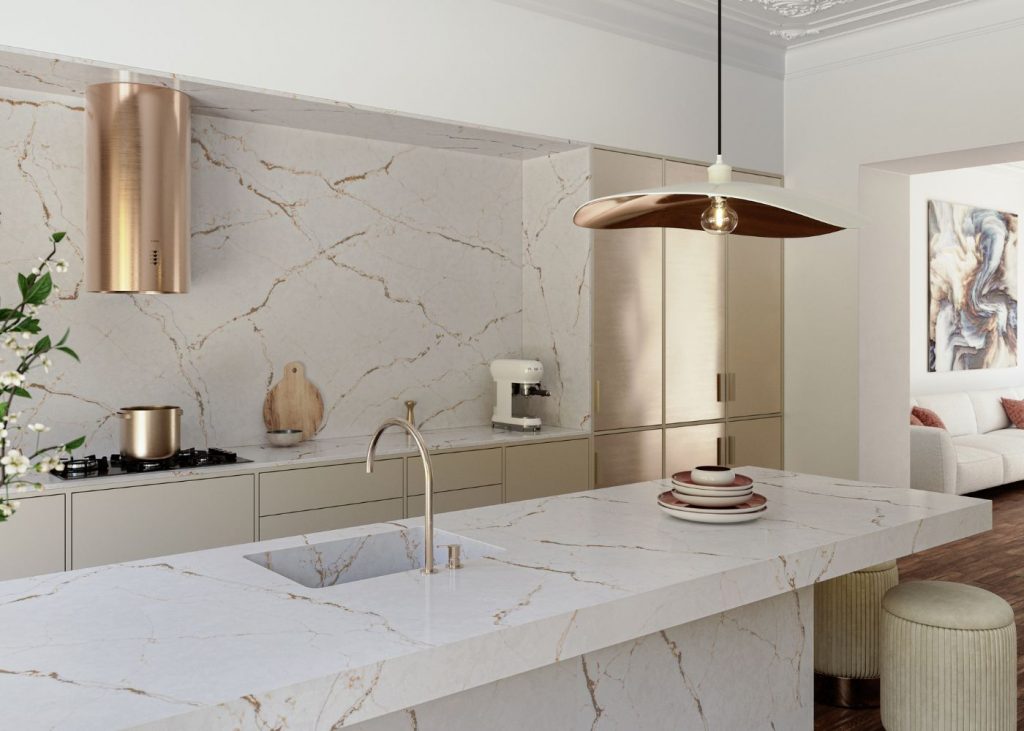
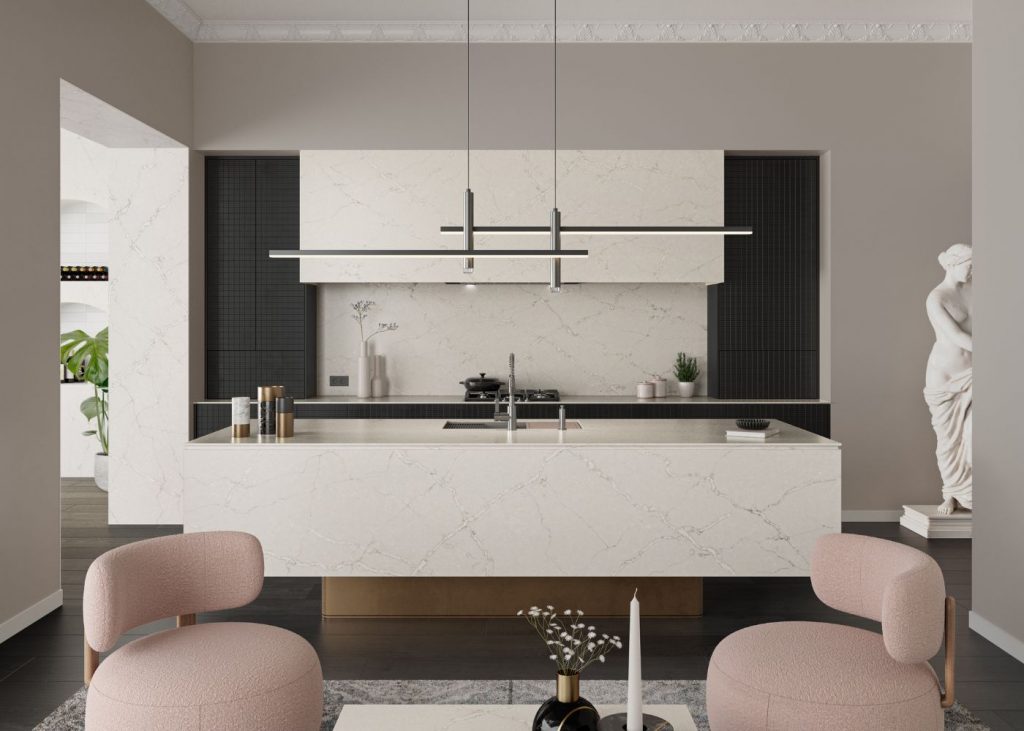
Engineered from up to 93% natural quartz particles mixed with resins, quartz worktops offer exceptional durability with a contemporary finish and diverse design options.
Key Benefits:
- Non-porous surface resists staining and scratching
- No annual sealing required
- Consistent patterns and colours
- Antibacterial properties
- Heat and chemical resistant
- Can mimic natural marble appearance
Considerations:
- Less heat-resistant than granite; avoid placing extremely hot pans directly on the surface
- Higher initial investment for larger kitchens
- Heavier material requiring professional installation
Price Range: £85-£90 per square metre for materials, plus £55-£75 per metre for labour
Care Tips: Wipe with mild soap and water; avoid scorching pans directly on the surface to prevent discolouration
- Granite Worktops: Natural Elegance
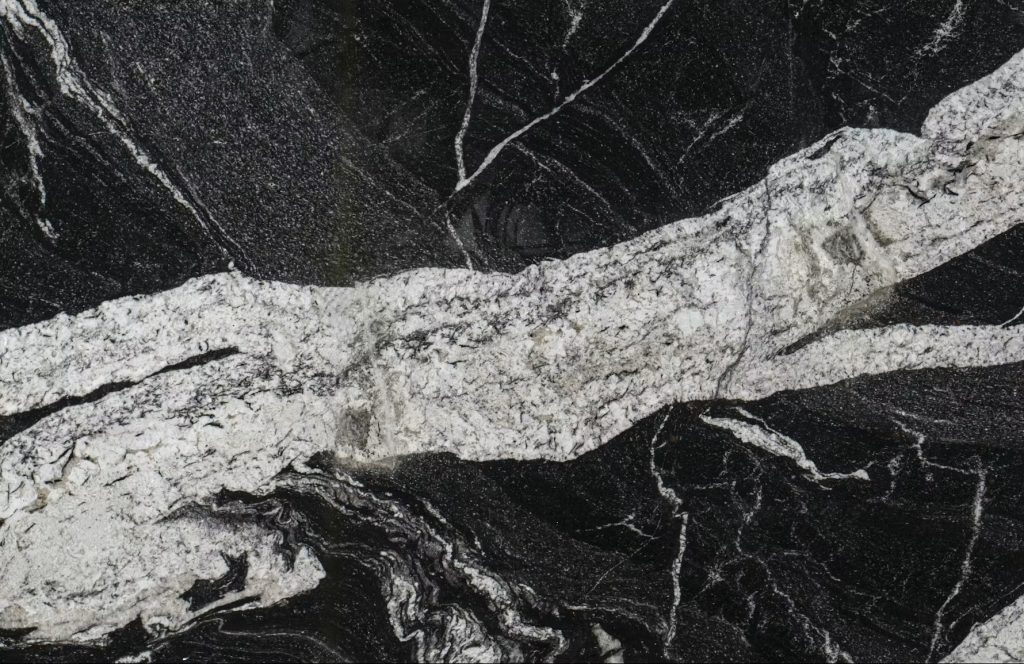
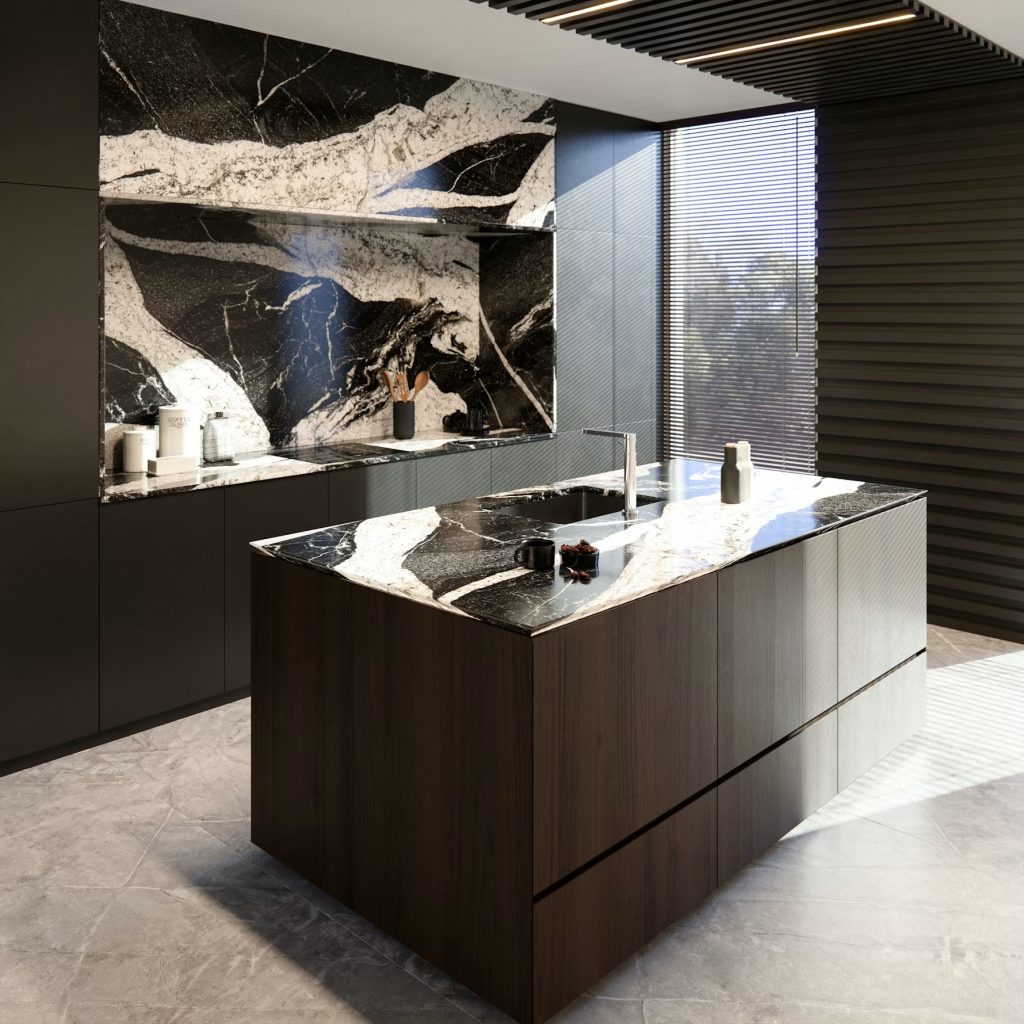
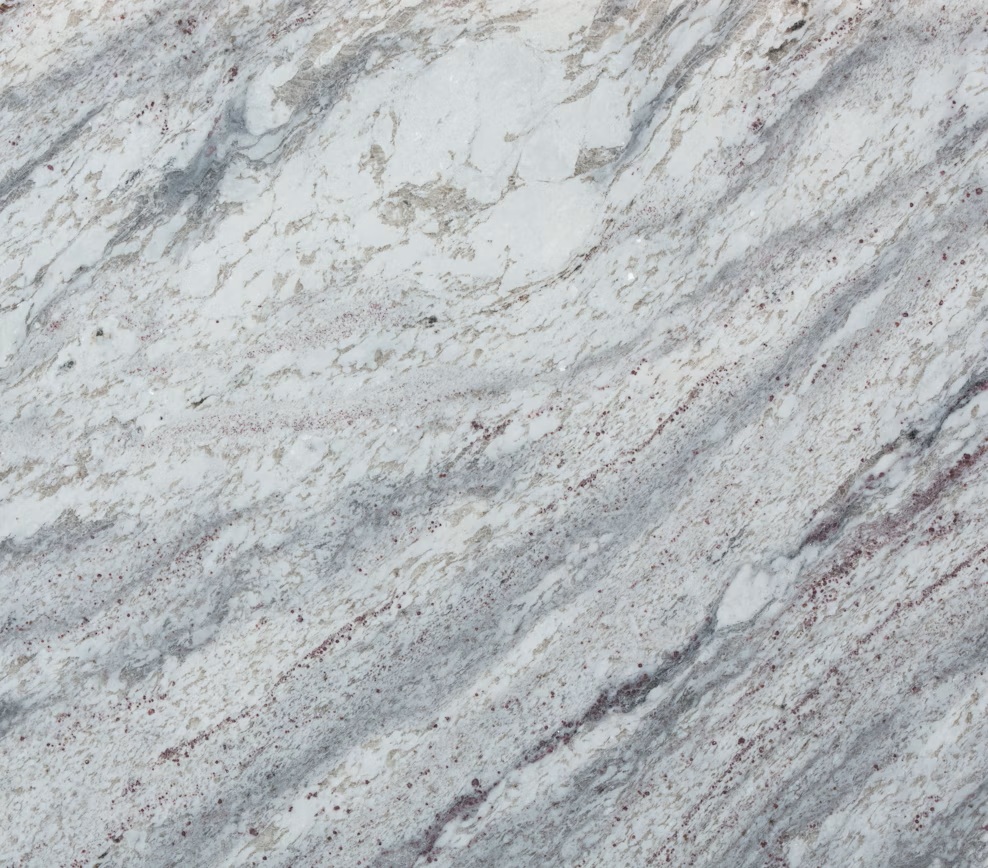
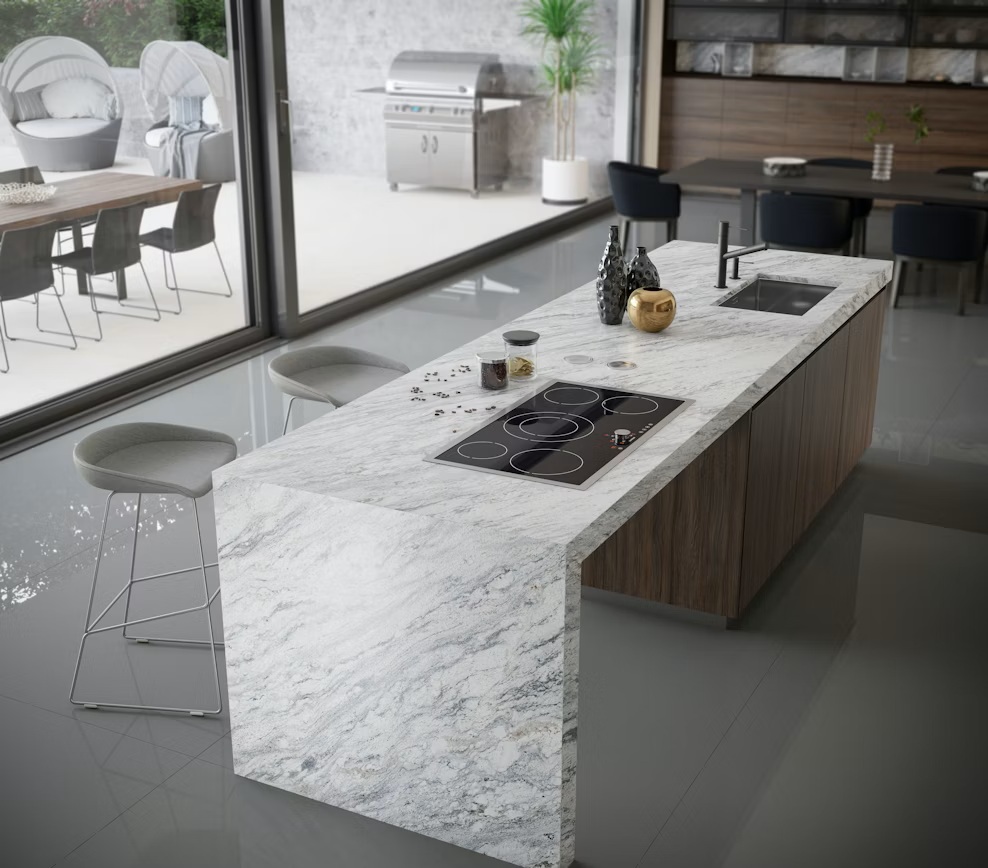
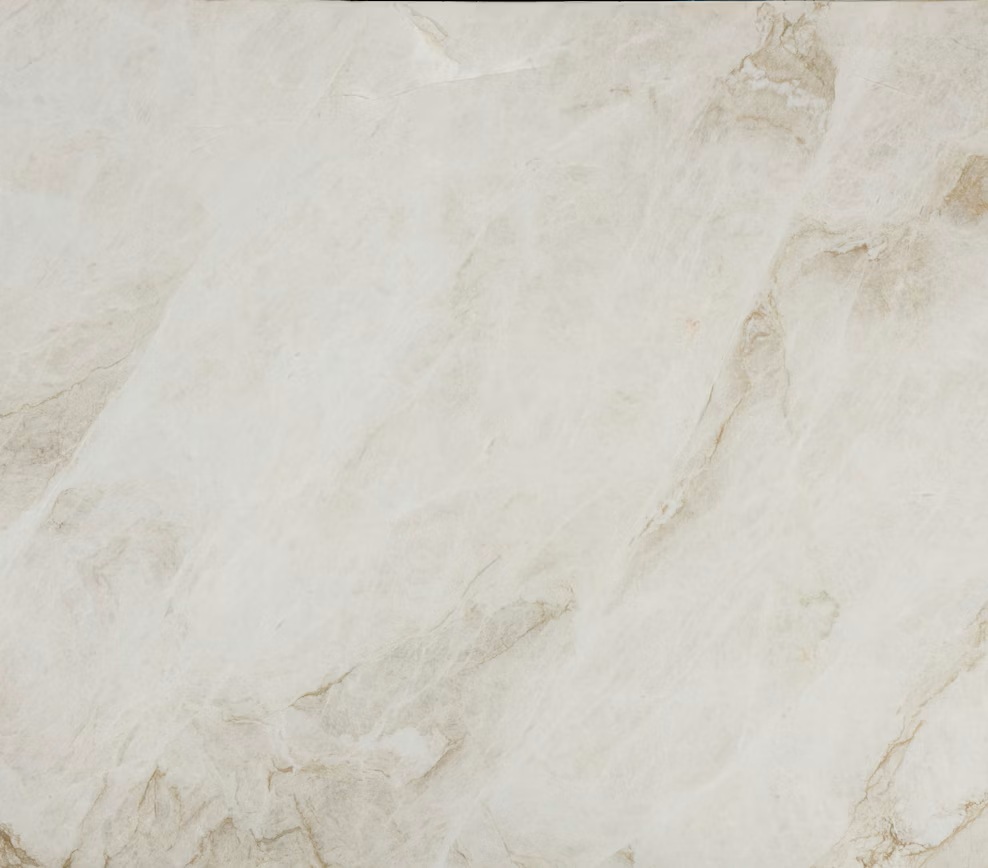
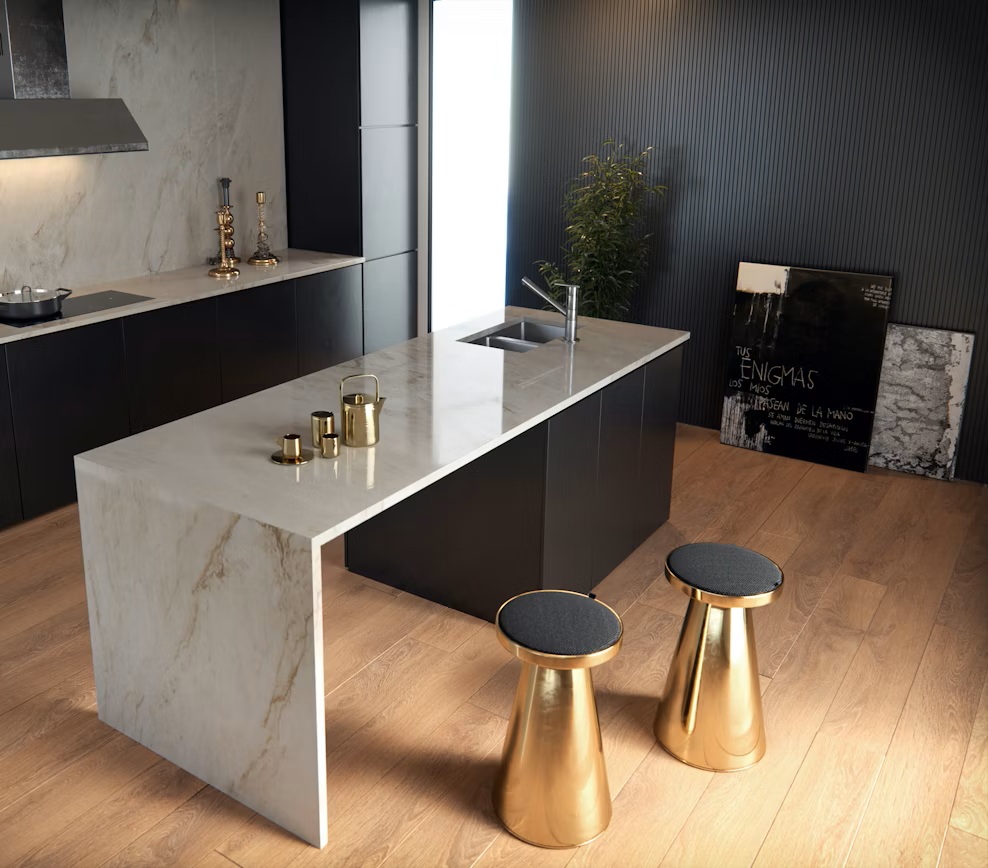
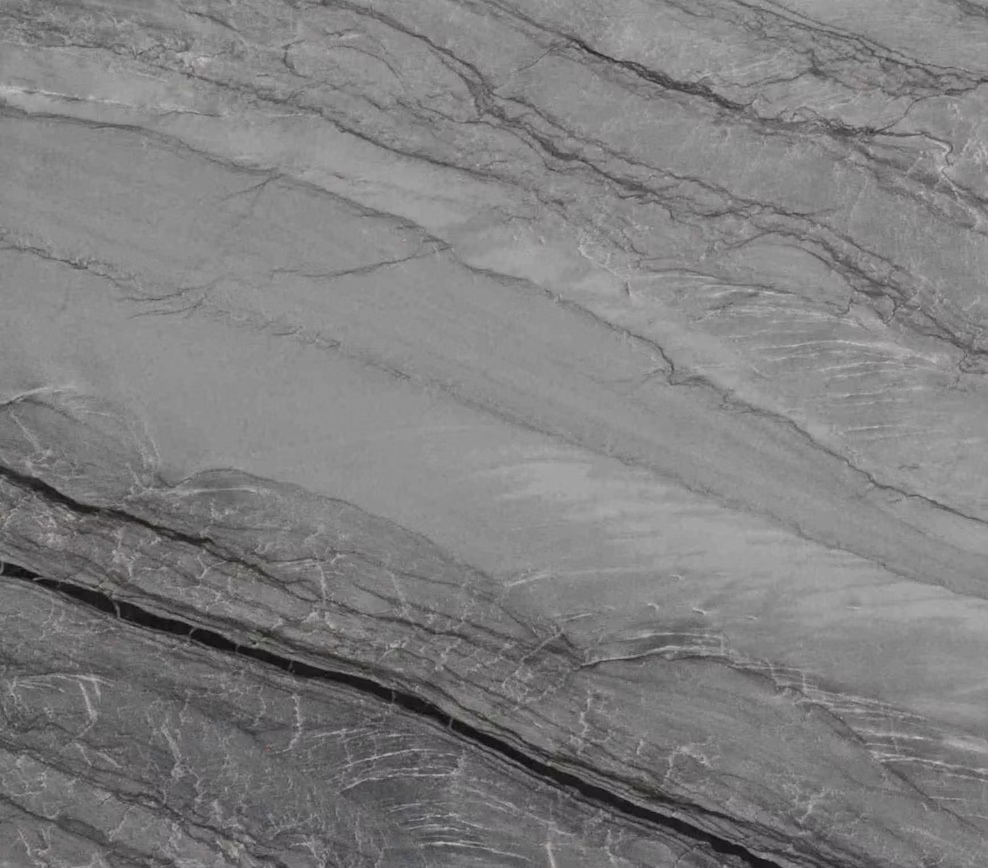
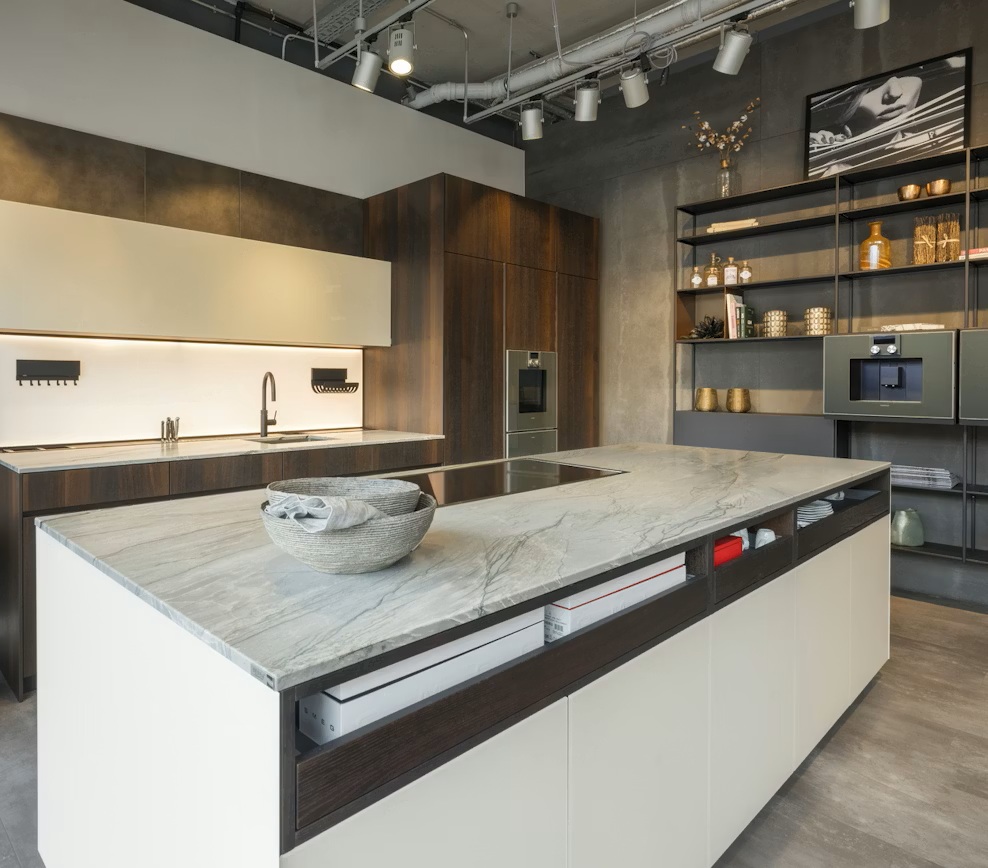
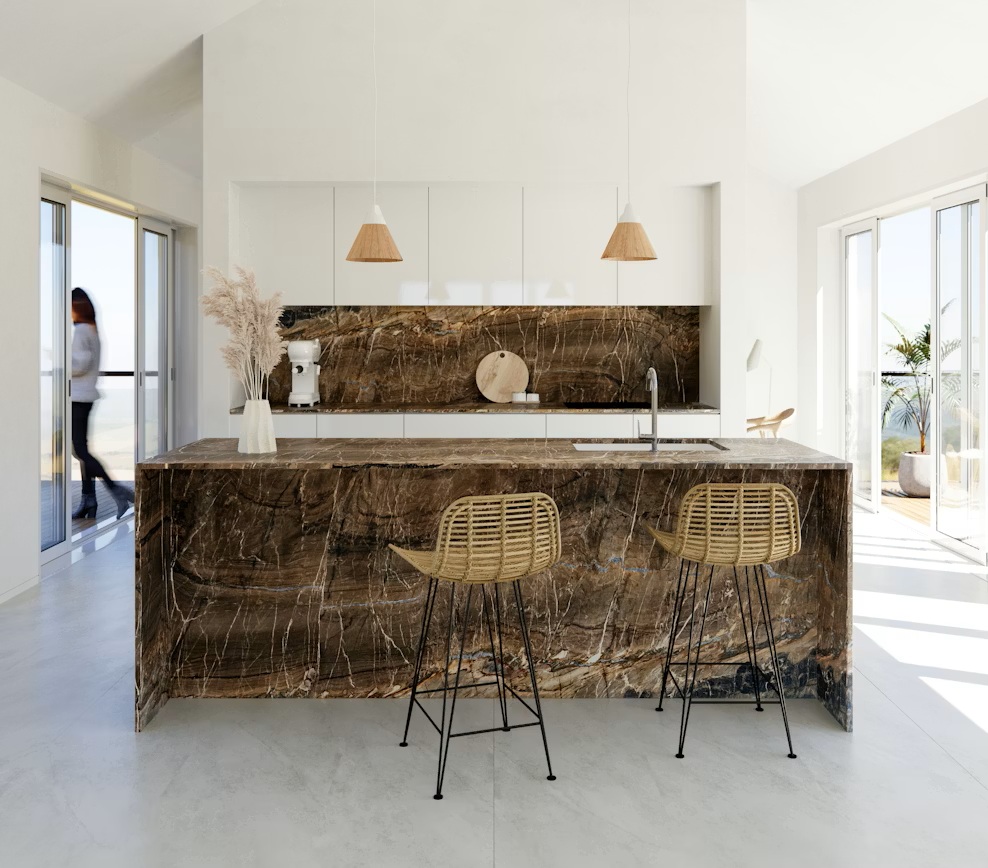
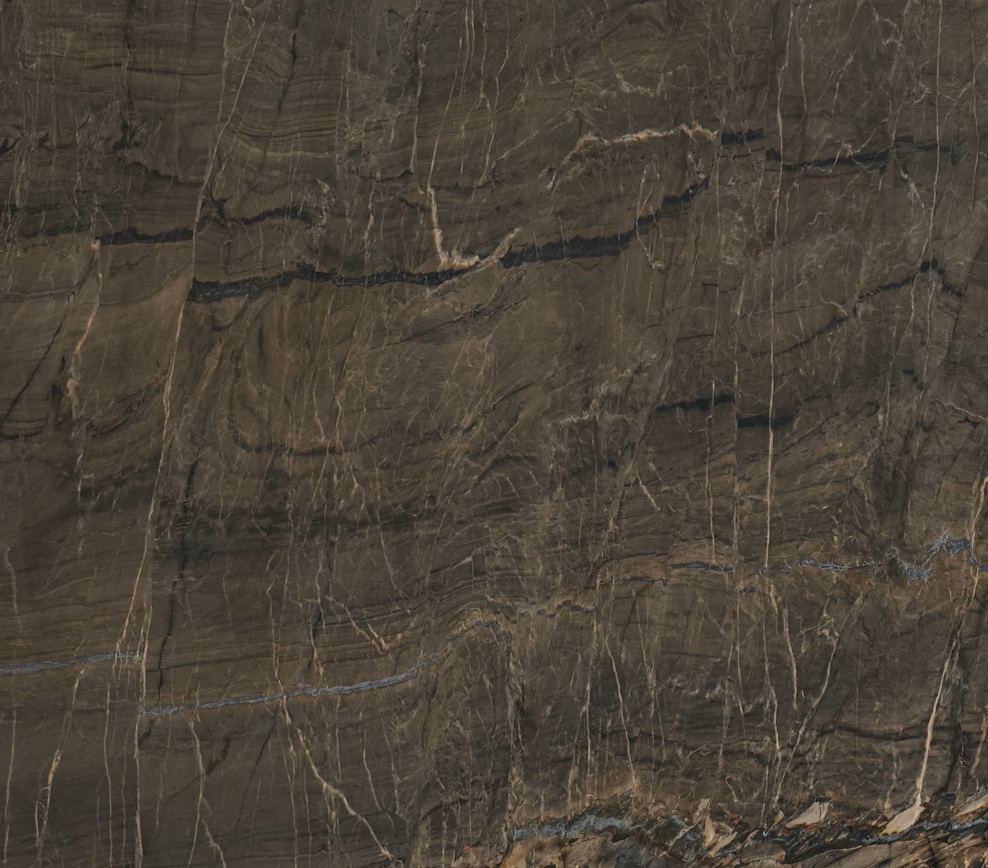
Best for: Traditional and contemporary kitchens, heat resistance, unique patterns
Granite has been a favourite in homes for decades, offering timeless beauty with natural swirls, veins, and unique colouring.
Key Benefits:
- Extremely hard-wearing and durable
- Natural antibacterial properties
- Heat-resistant surface
- Each slab is completely unique
- Adds property value
- Extensive colour selection
Considerations:
- Requires annual sealing to maintain stain resistance
- Porous material needs immediate spill cleanup
- Natural variations mean samples may not match exactly
Price Range: £250-£400 per square metre for materials
Care Tips: Clean with pH-neutral cleaner, seal annually, and avoid abrasive pads
- Marble Worktops: Luxurious Statement
Best for: High-end designs, statement islands, backsplashes
Marble features beautiful natural veining and a luxurious, almost glowing quality that creates show-stopping kitchen islands.
Key Benefits:
- Unparalleled elegance and sophistication
- Unique natural veining patterns
- Cool surface ideal for pastry work
- Timeless aesthetic appeal
- Available in various finishes from polished to matte
Considerations:
- Softer and more porous than granite, more prone to staining and damage when not properly sealed
- Requires meticulous care routine
- Needs regular resealing to prevent stains; wipe spills immediately
- Higher maintenance requirements
Price Range: £85-£90 per square metre (similar to granite)
Care Tips: Immediate spill cleanup essential, avoid acidic substances, reseal regularly
- Sintered Stone: Ultra-Durable Innovation
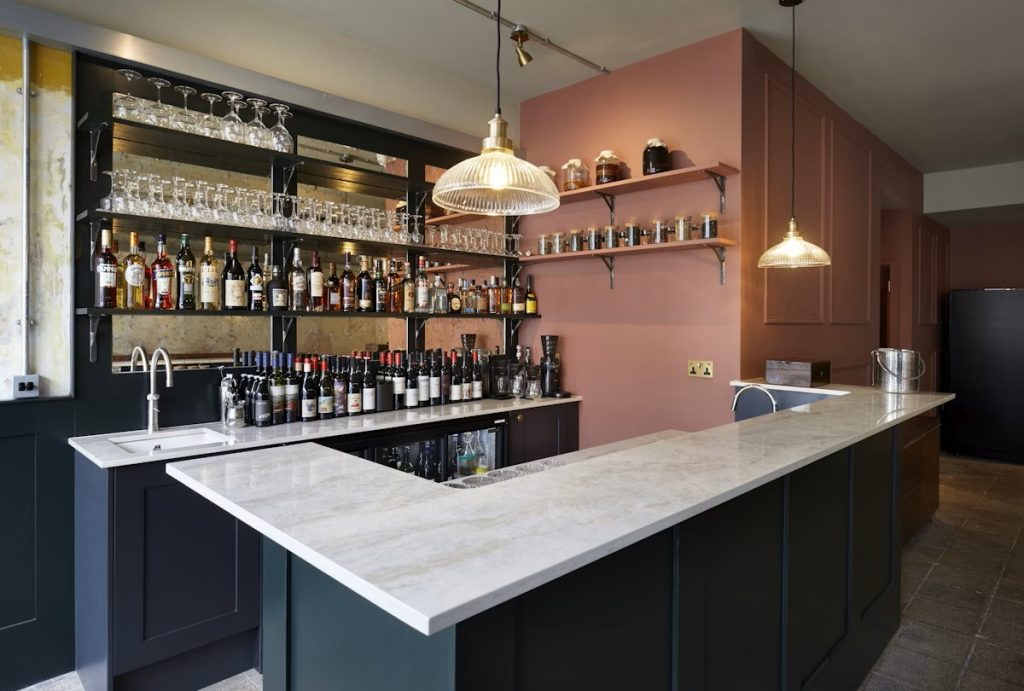
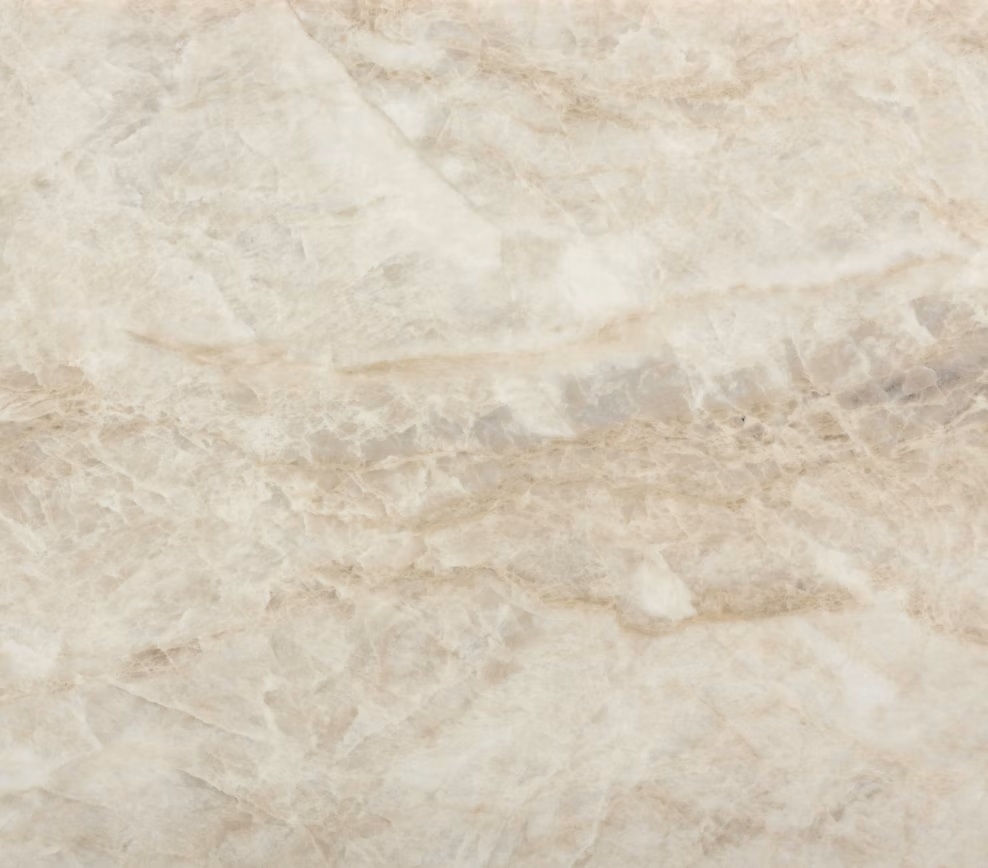
Best for: Maximum durability, busy kitchens, modern aesthetics
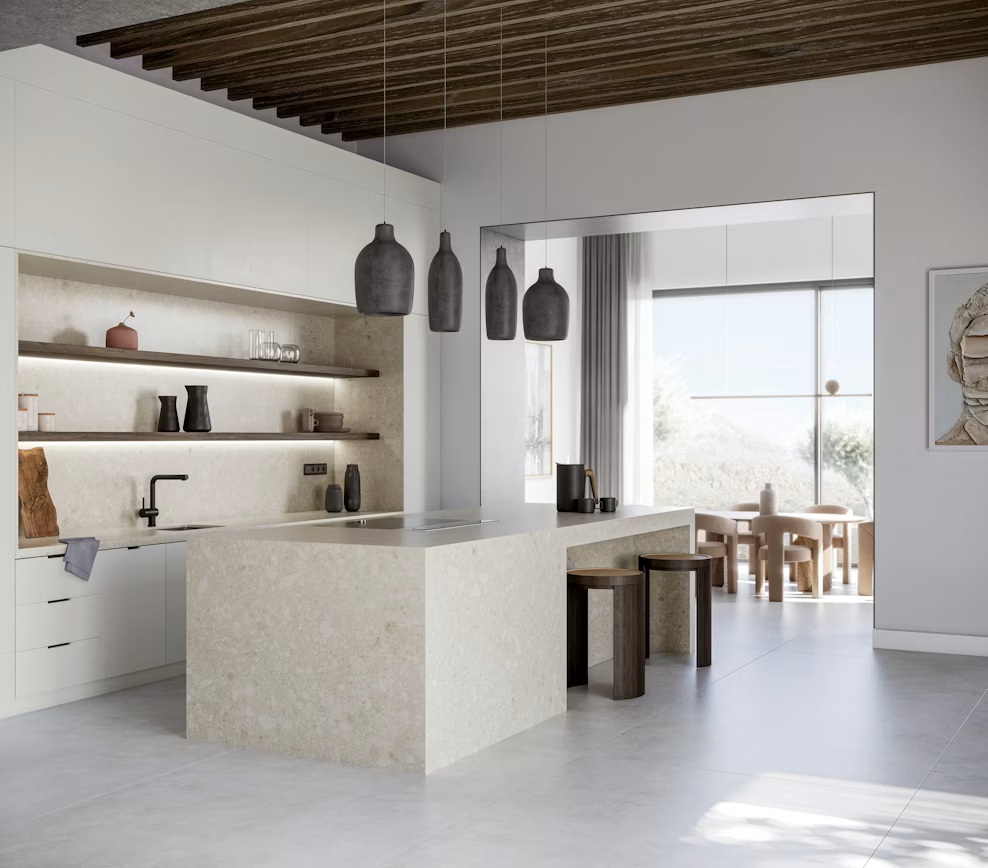
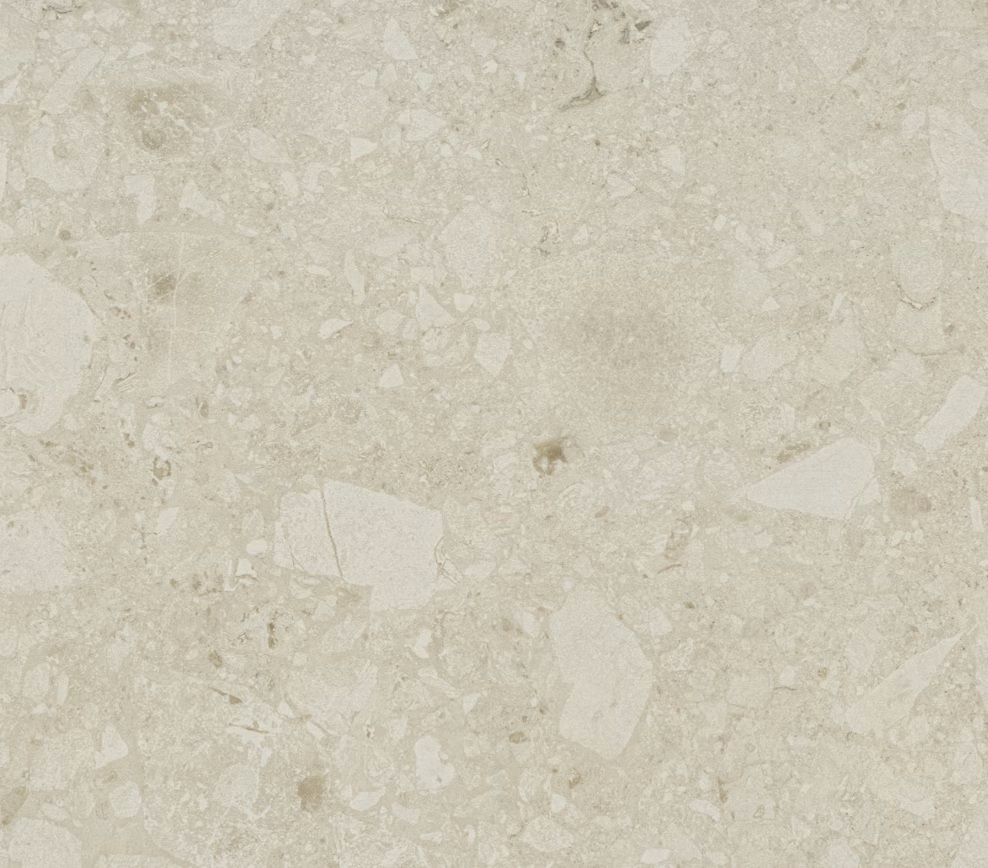
Made from crushed quartz, porcelain, and glass, sintered stone is the most durable worktop material available with the highest resistance to heat, staining, and scratches.
Popular Brands: Neolith, Dekton, Ceralsio
Key Benefits:
- Extremely resistant to scratching, high temperatures, chemicals, and UV rays
- Zero porosity and absorption rate
- Stain-resistant with virtually zero porosity, making it ideal for busy kitchens
- No sealing needed
- Sustainable choice crafted from natural minerals without resins or adhesives; recyclable and low-impact
Considerations:
- Most expensive option among premium materials
- Avoid heavy impacts on edges
- Requires professional installation
Care Tips: Clean with warm water and everyday cleaning products; avoid hydrofluoric acid
5. Wood Kitchen Worktops: Natural Warmth
Best for: Traditional farmhouse kitchens, rustic aesthetics, natural materials
Wood worktops add natural beauty, warmth, and texture to kitchens, available in species from lighter ash and beech to rich mahogany and walnut.
Key Benefits:
- Timeless, warm aesthetic
- Natural antibacterial properties in hardwoods
- Can be sanded and refinished
- Gets better with age, like fine wine
- Versatile for traditional and contemporary designs
Considerations:
- Requires oiling at least twice yearly to maintain protection
- Must be kept as dry as possible; dry spills immediately
- Not heat resistant—always use trivets
- Needs more maintenance than stone
Price Range: £50-£150 per square metre for average quality
Care Tips: Oil twice yearly minimum using Danish or linseed oil; perform water droplet test to check if re-oiling needed; never place hot pans directly on surface
- Laminate Kitchen Worktops: Budget-Friendly Versatility


Best for: Budget-conscious renovations, rental properties, temporary solutions
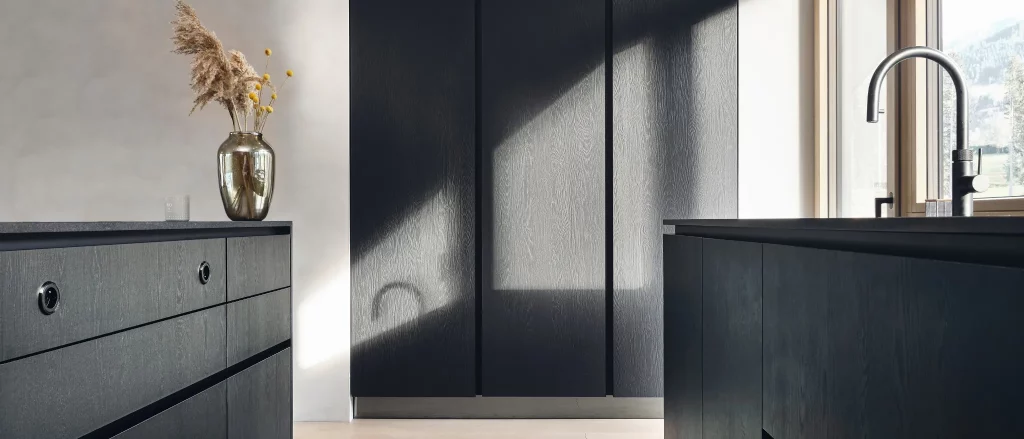
Made by bonding a decorative sheet onto a wooden particleboard core, laminate offers extensive finishes mimicking wood, stone, or manufactured materials.
Key Benefits:
- Most affordable option at £20-£50 per square metre
- Hundreds of designs and colours
- Easy DIY installation even for non-experts
- Stain-resistant surface
- Wide availability
Considerations:
- Prone to peeling, burns, and irreparable scratches
- Shorter lifespan than premium materials
- Can look less luxurious
- Cannot be refinished
Care Tips: Clean with washing-up liquid and damp cloth; smooth, waterproof finish makes maintenance easy
- Corian & Solid Surface: Seamless Solutions
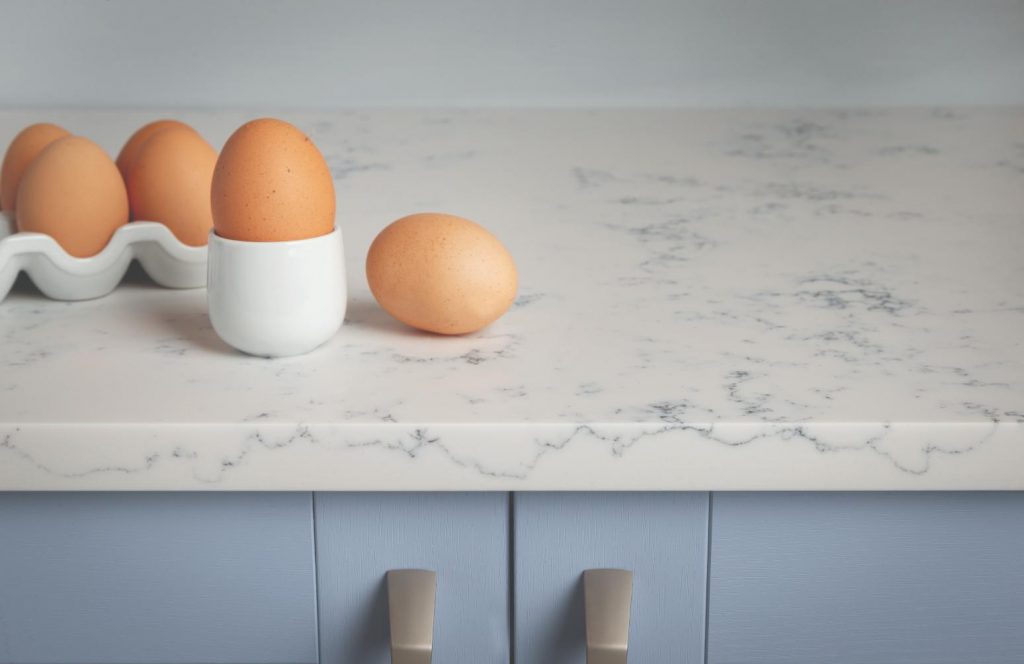
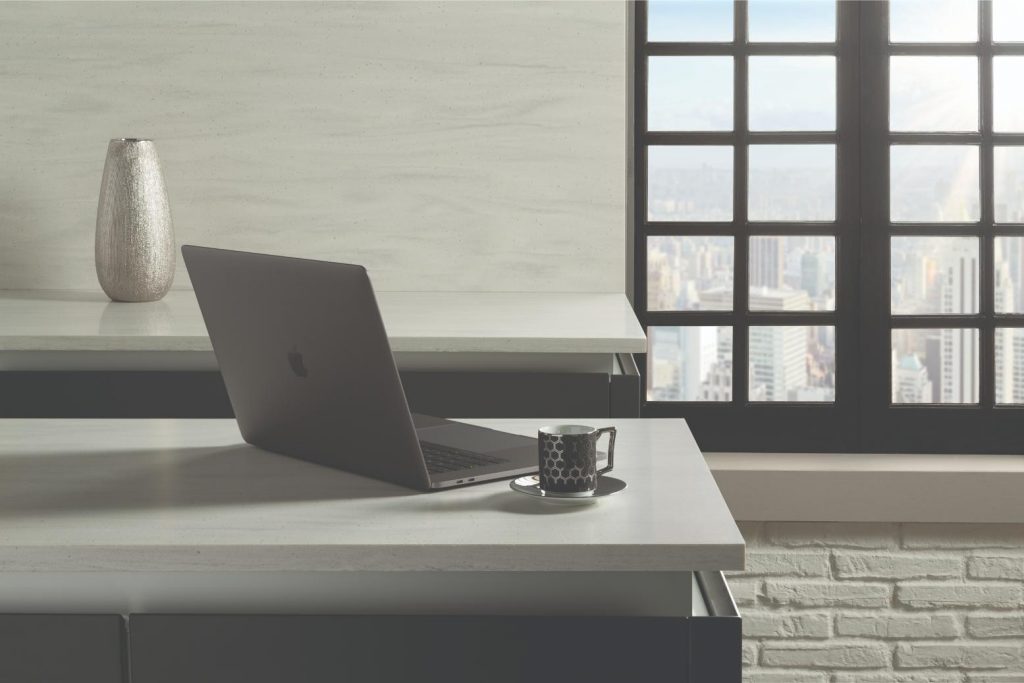
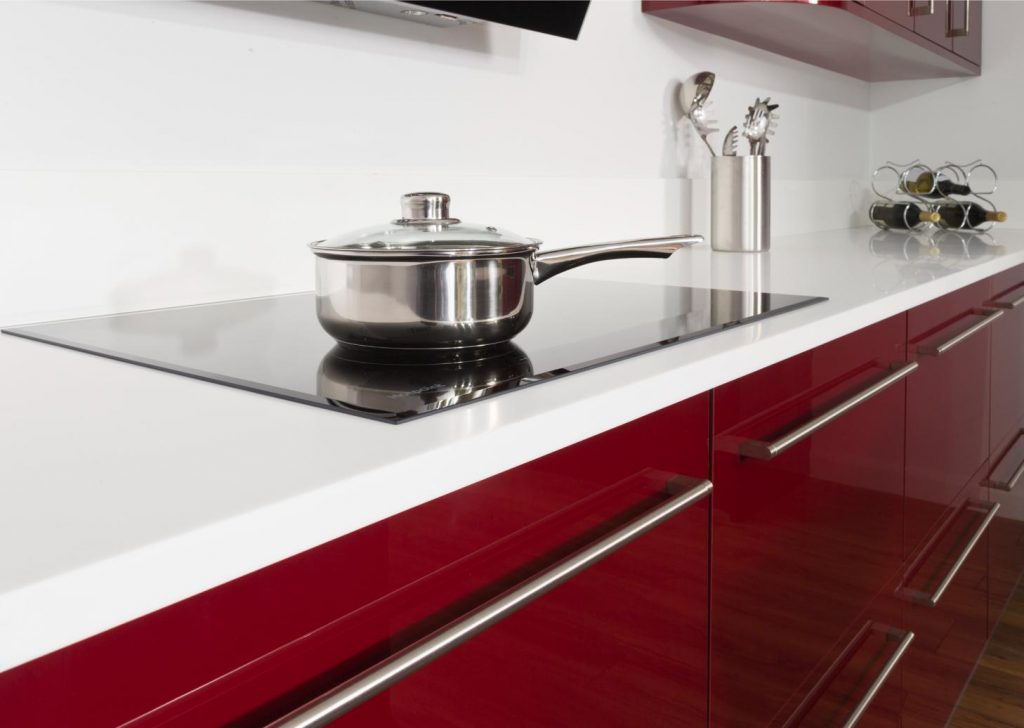
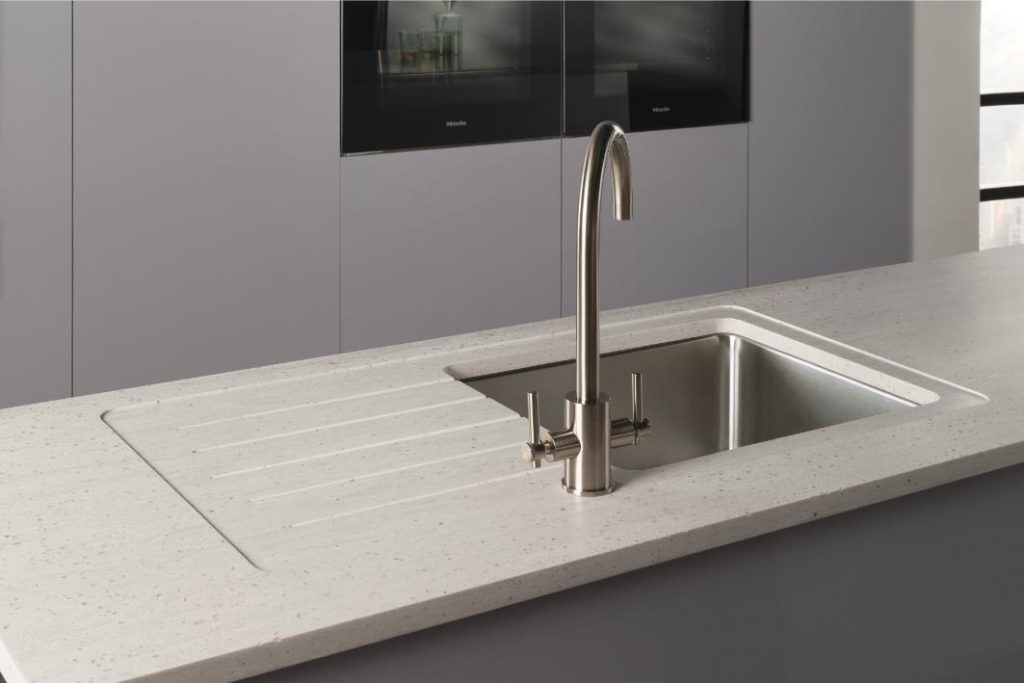
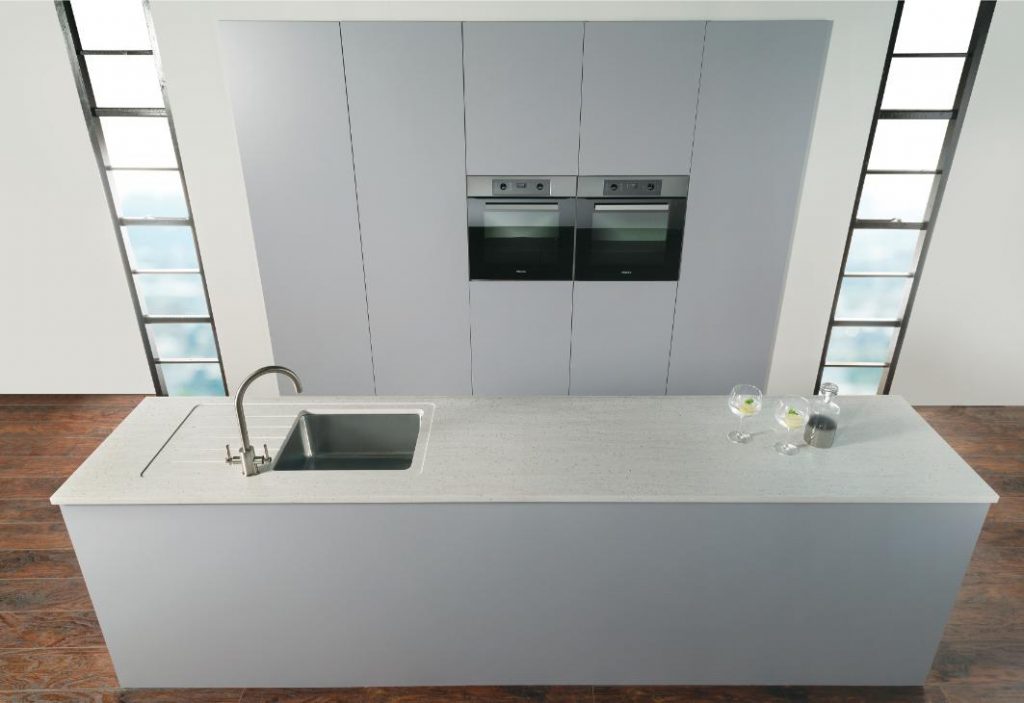
Best for: Integrated sinks, contemporary designs, mid-range budgets
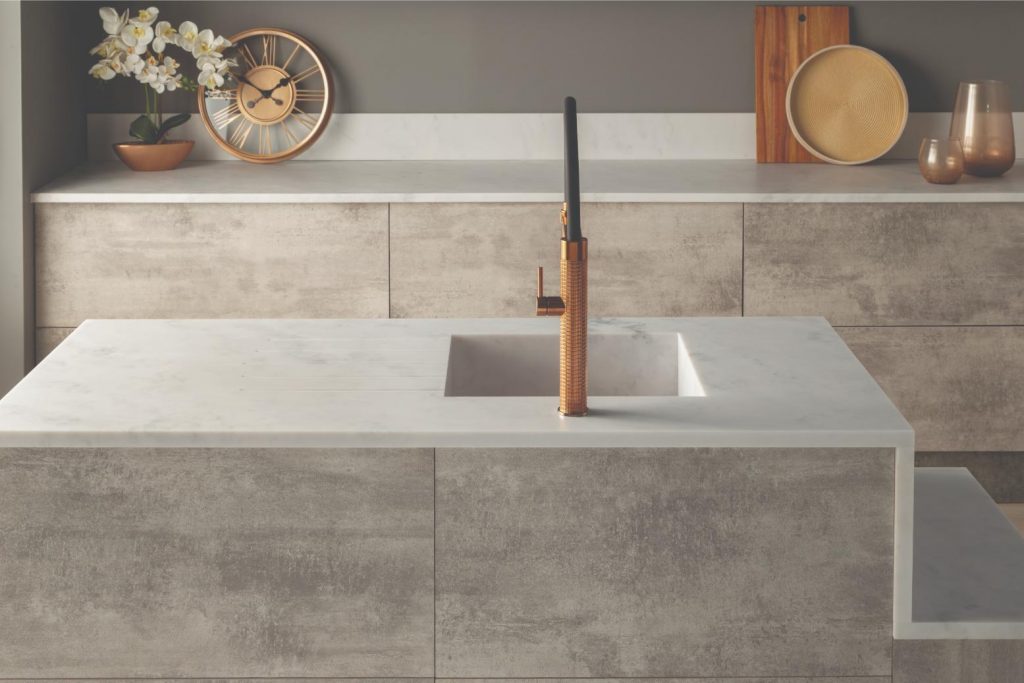
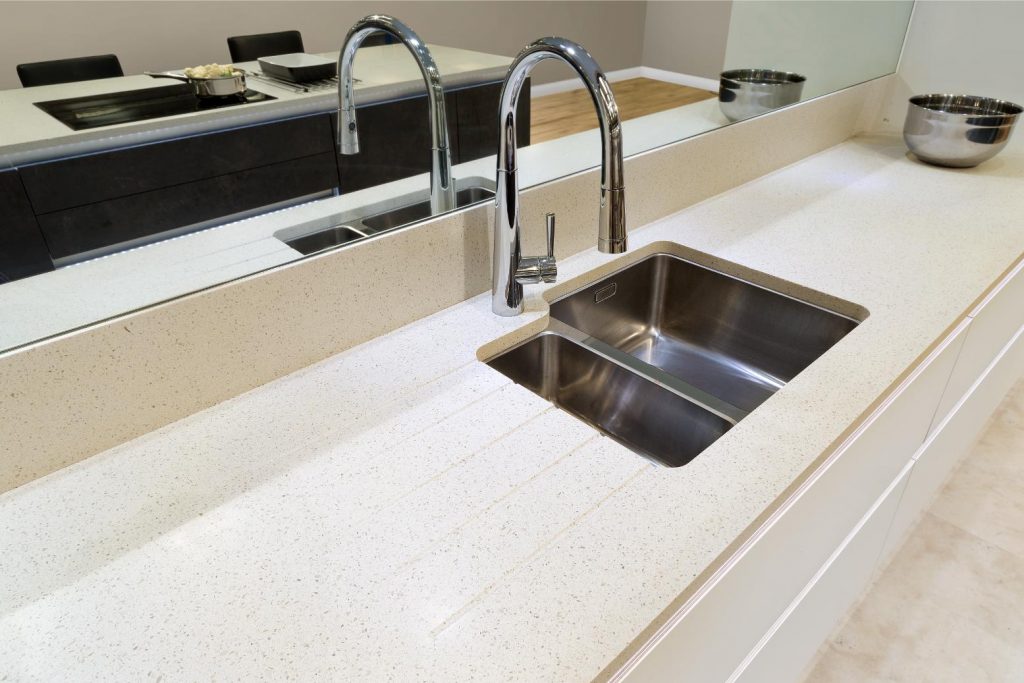
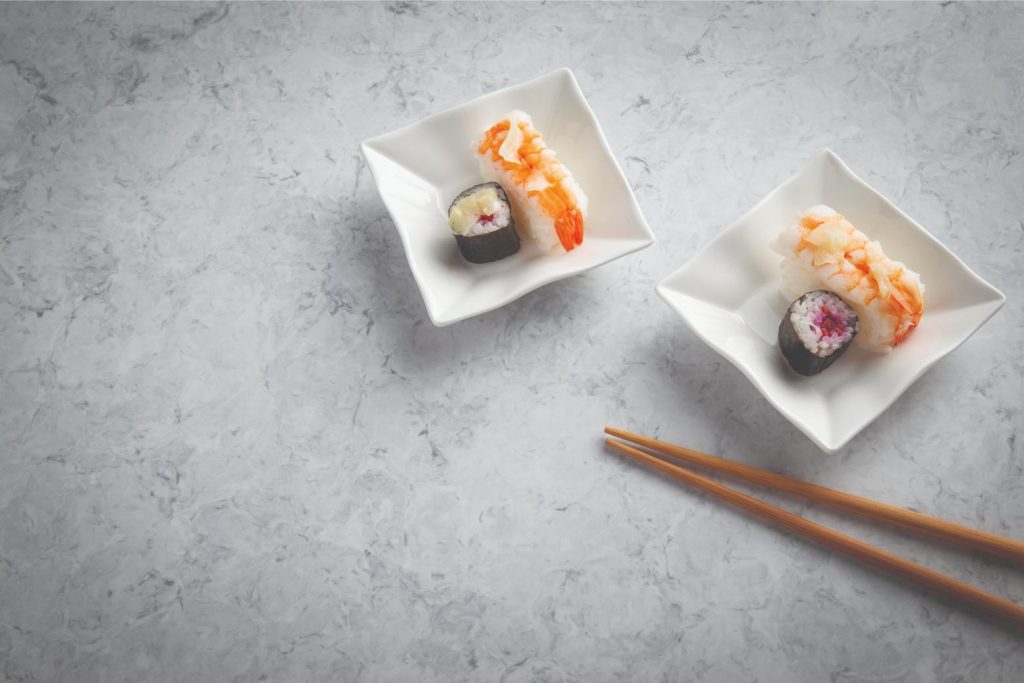
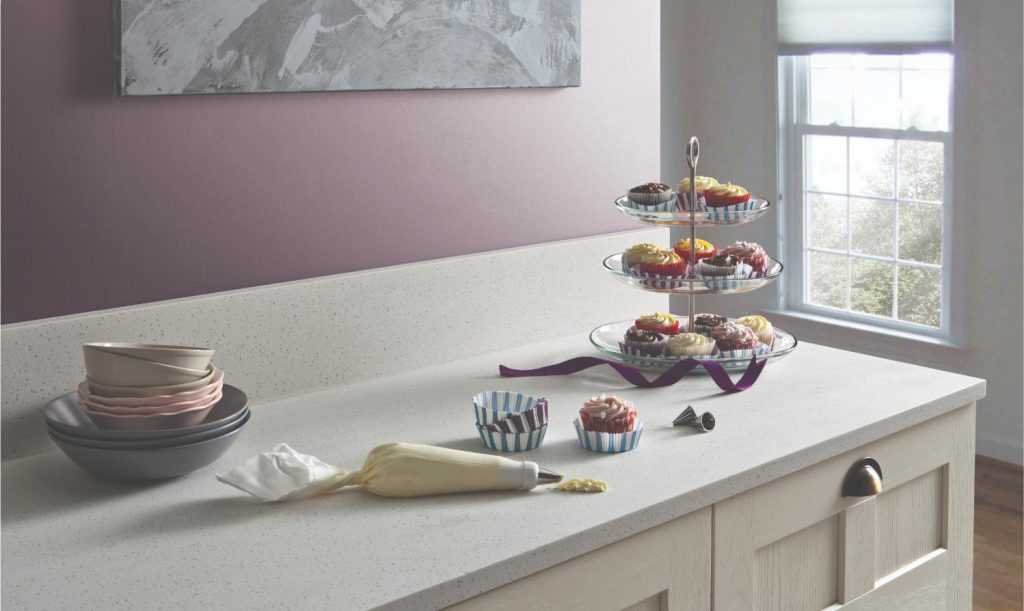
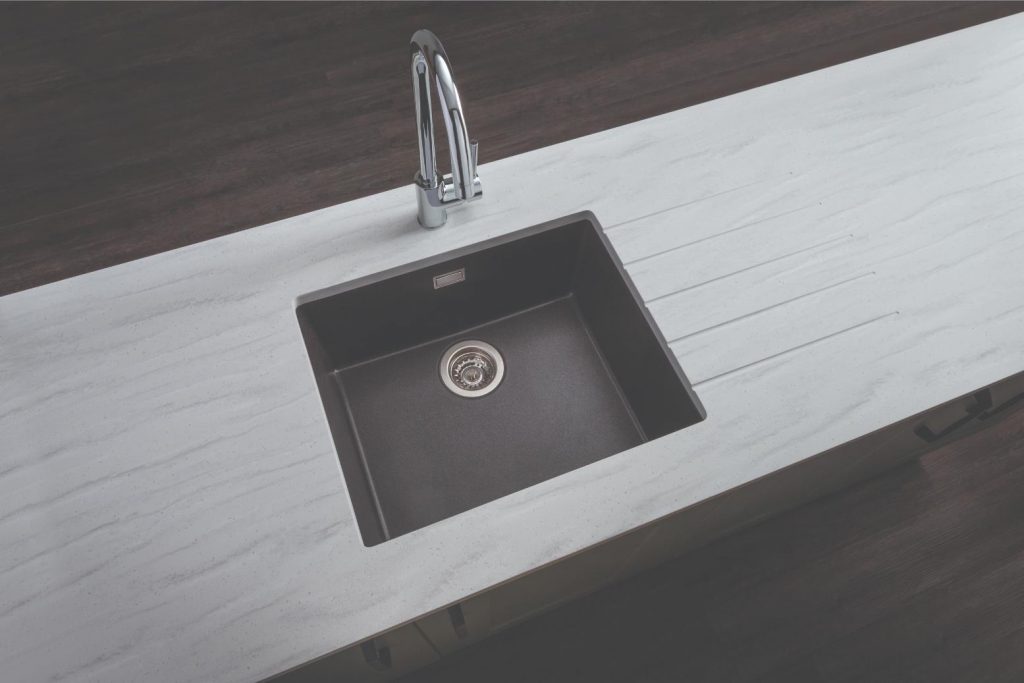
Made from acrylic resins, minerals, and colourings, Corian creates seamless joints and integrated sinks with inconspicuous seams.
Key Benefits:
- Non-porous, hygienic surface
- Marks and stains remain on surface and can be easily cleaned
- Can be renewed by sanding without professional help
- Hundreds of colours available
- Will not fade in sunlight
- Can incorporate wireless charging features
Considerations:
- Can be prone to dents and scratches
- Mid-range pricing—lower than granite but more expensive than laminate
Care Tips: Wipe with mild detergent and water or ammonia-based cleaner; buff with dry cloth
2026 Kitchen Worktop Trends
Stay ahead with the latest design movements shaping kitchen worktops this year:
Bold Veining & Dramatic Patterns
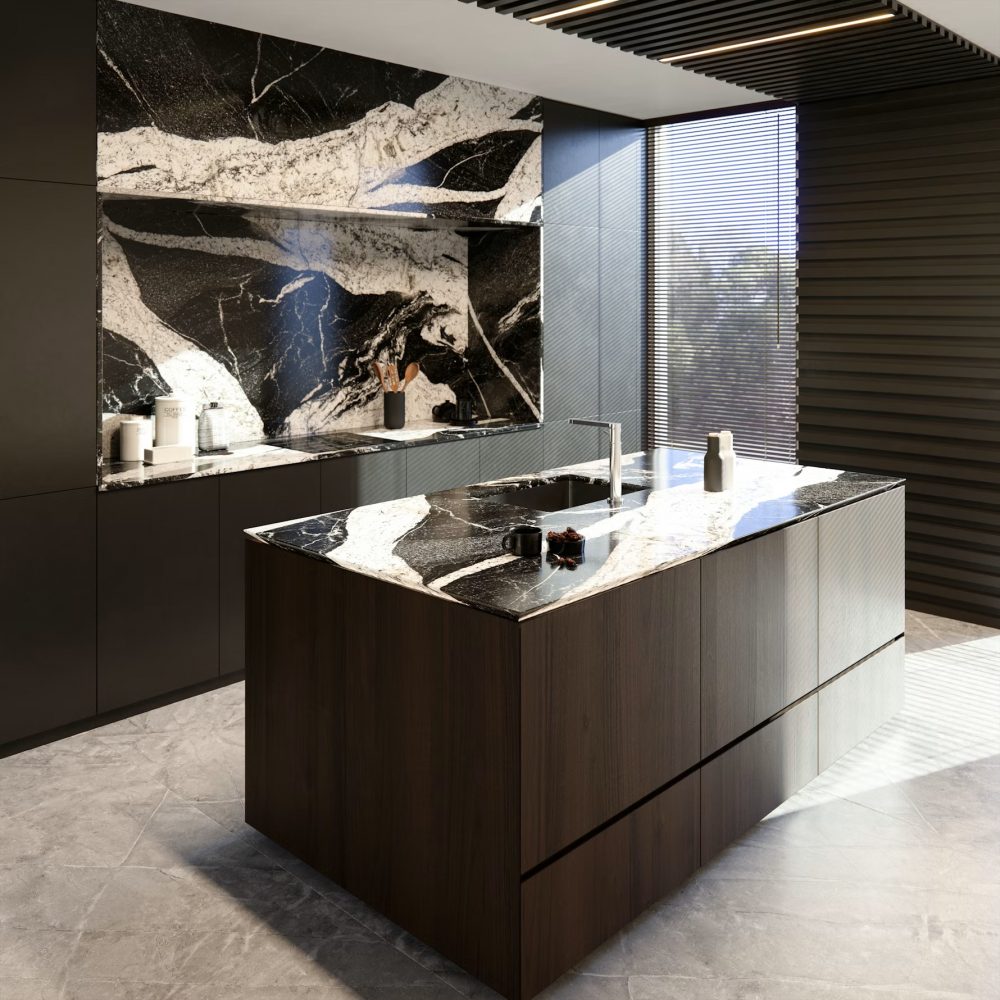
Deep, contrasting veining in marble and quartz creates luxurious statement pieces, with bold patterns and dramatic veining making worktops design centrepieces.
Warm Neutrals & Earthy Tones
Warm neutrals like taupe, beige, and caramel create welcoming organic atmospheres, perfect for creating inviting kitchen spaces.
Deep, Moody Colours
Forest green, navy blue, and charcoal bring dramatic yet elegant sophistication to kitchens.
Two-Tone Designs
Contrasting colours or materials add depth and character to kitchen designs, creating visual interest and defining zones.
Textured Finishes
Honed, matte, and leathered surfaces provide unique tactile experiences while masking fingerprints and minor scratches.
Decorative Edge Profiles
Ogee and ovolo profiles offer elegance and sophistication, while minimalist chamfered and bevelled edges suit contemporary designs.
Sustainability Focus
Responsibly sourced materials and recycled options reflect eco-conscious values without sacrificing style.
Kitchen Worktop Costs: Complete Breakdown
Understanding the full investment helps you budget effectively:
Material Costs Per Square Metre (2025 UK Prices)
| Material | Supply Cost | Labour Cost | Total Per m² |
| Laminate | £20-£50 | £55-£75 | £75-£125 |
| Wood | £50-£150 | £55-£75 | £105-£225 |
| Granite | £250-£400 | £55-£75 | £305-£475 |
| Quartz | £85-£90 | £55-£75 | £140-£165 |
| Marble | £85-£90 | £55-£75 | £140-£165 |
| Corian | £150-£200 | £55-£75 | £205-£275 |
| Sintered Stone | £200-£450 | £55-£75 | £255-£525 |
Average Project Costs
For a typical 5m² kitchen, expect total costs of £750-£1,900 including materials and labour, with installation costing £350-£700+VAT depending on location and complexity.
Additional Cost Factors
Design Features:
- Curved corners: £15 each (granite/quartz)
- Sink/hob cutouts: £50-£100 each
- Drainer grooves: £14-£50
- Polished edges: £50-£185
Location Impact: London and Southeast England typically charge higher labour rates; labour costs average £55-£75 per linear metre nationwide.
Installation Complexity:
- Number of slabs required
- Joins and mitred corners
- Built-in appliances requiring adjustment
- Existing worktop removal: £100-£200
- Waste removal: £70-£180
Essential Care & Maintenance Guide for kitchen worktops
Proper maintenance extends your worktop’s lifespan significantly:
Daily Cleaning Best Practices
All Materials:
- Wipe spills immediately
- Use soft cloths or microfibre cloths
- Avoid abrasive cleaners and scouring pads
- Dry thoroughly to prevent watermarks
Wood Worktops: Clean with warm water and mild soap; keep as dry as possible; oil every three months for heavily used surfaces
Stone Worktops (Granite/Marble): Daily wipedown with mild soap solution, rinse and dry thoroughly; avoid bleach or acid-based products including lemon juice and vinegar
Quartz & Solid Surface: Mild detergent and water sufficient; rinse and buff dry
Protective Measures
- Heat Protection: Always use trivets or heat pads—no material is completely heat-proof
- Cutting Protection: Use chopping boards and butcher’s blocks; cutting directly on surfaces allows bacteria into materials
- Chemical Protection: Avoid harsh cleaners; check product suitability for your material
Regular Maintenance
Wood Worktops: Oil at least twice yearly with Danish or linseed oil; perform water droplet test—if water sits flat rather than beading, re-oiling is needed
Granite: Seal annually with appropriate stone sealer
Marble: Reseal more frequently depending on use
Quartz & Sintered Stone: No sealing required
Damage Repair
Wood: Sand with 120-150 grit sandpaper and re-oil; scratches and imperfections can be fixed with sanding and oiling
Stone: Minor scratches on granite can often be polished out; professional repair may be needed for deep damage
How to Choose the Right Worktop
Follow this decision-making framework:
- Assess Your Lifestyle
Heavy Cooking: Choose heat-resistant materials like granite or sintered stone
Busy Families: Opt for low-maintenance quartz or granite
Baking Enthusiasts: Marble’s cool surface is ideal for pastry work
DIY Enthusiasts: Consider ease of installation (laminate) vs. professional fitting
- Define Your Budget
- Kitchen worktops can fit most budgets; select good quality material you can make good use of
- Balance upfront costs with long-term value
- Factor in maintenance costs over time
- Consider Your Design Style
Traditional/Farmhouse: Wood, granite Contemporary/Modern: Quartz, sintered stone Luxury/High-End: Marble, premium granite Minimalist: Solid surface, quartz Industrial: Stainless steel, concrete-effect
- Evaluate Maintenance Commitment
Low Maintenance: Quartz, sintered stone Moderate: Granite, solid surface Higher Care: Wood, marble
- Think Long-Term
- Good kitchen worktops typically last 10+ years
- Premium materials add property value
Consider future kitchen redesigns
Professional Installation vs. DIY of kitchen worktops
When to Hire Professionals
Essential for:
- Natural stone (granite, marble, quartzite)
- Quartz and sintered stone
- Corian with integrated sinks
- Complex layouts with multiple joins
Benefits:
- Professional installation ensures polished finish and may be worth extra spend, especially for premium materials
- Accurate templating
- Proper sealing and finishing
- Warranty protection
Costs: Kitchen specialists charge £150-£200 per day; average-sized kitchens take 4-5 hours for simple jobs, up to a full day for complex installations
DIY Possibilities
Suitable for:
- Laminate worktops can be fitted yourself even if you aren’t a DIY expert
- Butcher block in simple layouts
Requirements:
- Accurate measuring and cutting skills
- Appropriate tools
- Understanding of material properties
Ready to start your kitchen transformation?
Contact MP Moran Showroom today to schedule your free consultation and explore our stunning range of kitchen worktops.
Build a dream kitchen with us!
Which worktop is best for kitchens?
The best kitchen worktop depends on how you use your kitchen and your budget. Quartz is one of the most popular choices because it is durable, low-maintenance, and resistant to stains. Granite offers a natural, premium look but requires occasional sealing. Laminate is a practical option for lighter use or rental properties.
What is the cheapest way to replace kitchen worktops?
Laminate worktops are the cheapest way to replace kitchen worktops in the UK. They are widely available, easy to install, and come in designs that mimic stone or wood. Keeping the existing kitchen units and only replacing the worktop helps reduce costs further. DIY installation can also lower the overall expense.
Should a countertop be lighter or darker than the floor?
A lighter worktop than the floor usually helps create a brighter and more open kitchen space. Darker worktops can add contrast and work well in larger kitchens with good lighting. The key is balance, ensuring the worktop complements cabinets and flooring. Personal style and lighting conditions should guide the final choice.
What is trending now for kitchen countertops?
Current kitchen worktop trends include quartz, porcelain, and natural stone with subtle veining. Matt finishes and neutral tones such as beige, grey, and soft white are very popular. Slim profiles and waterfall edges are also in demand. Sustainability and low-maintenance materials continue to influence choices.
Is a matt or gloss worktop better?
Matt worktops are currently more popular due to their modern look and ability to hide fingerprints. They offer a softer, more natural appearance and suit contemporary kitchens. Gloss worktops reflect more light and can make smaller kitchens feel brighter. The best option depends on the desired style and maintenance preference.
Is quartz better than laminate?
Quartz is generally better than laminate in terms of durability, longevity, and appearance. It is resistant to heat, scratches, and stains, making it ideal for busy kitchens. Laminate is more affordable and easier to replace but less hard-wearing. Budget and usage are key factors when choosing between the two.
How much does it cost to fit a worktop in the UK?
The cost to fit a kitchen worktop in the UK typically ranges from £150 to £500, depending on the material. Laminate installation is usually cheaper, while quartz and granite require specialist fitting. Prices can increase with cut-outs, joins, and complex layouts. Always factor in both supply and installation costs.
Related Posts