
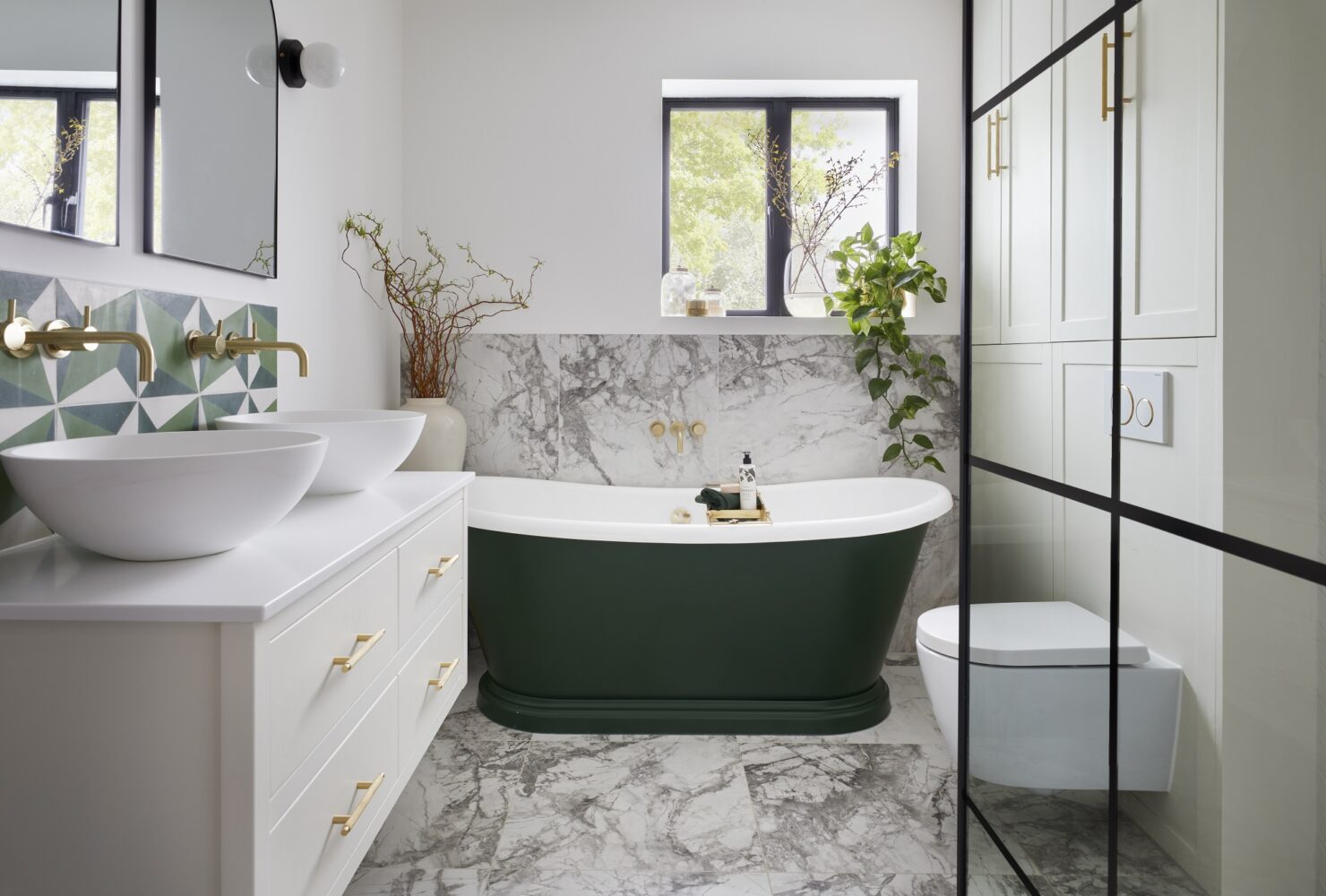
Bathroom Renovation UK 2026: The Complete Step-by-Step Guide
Introduction
A new bathroom is one of the best investments you can make in your home. It improves your daily routine, cuts energy bills, and adds real value to your property.
But here is the thing — getting the order right matters more than most people think. Rush the planning stage and you end up making expensive decisions under pressure. Do things in the wrong order and you face costly rework.
That is why we put together this guide. It walks you through every stage, step by step, in the correct sequence. You will also find clear 2026 UK costs at every stage so you know exactly what to expect.
And if you want expert help at any point, the team at MP Moran Showrooms is always happy to help you plan your project from start to finish.
Step 1: Set a Realistic Budget
Before you look at a single tile, you need a clear budget. This is where most people go wrong. They price up the bath, the toilet, and the basin — and forget everything else.
Labour, waterproofing, waste removal, and unexpected repairs can all add up fast. So it pays to know the full picture before you start.
Here are the typical 2026 UK cost ranges to help you plan:
| Project Type | Typical Cost |
|---|---|
| Budget refresh | £2,000 – £4,500 |
| Standard family bathroom | £4,500 – £9,000 |
| Premium / luxury renovation | £10,000 – £20,000+ |
| London & South East premium | Add 10–20% |
The national average sits at around £6,000–£7,000 for a full renovation in 2026. Keep in mind that labour alone makes up 40–60% of that total.
On top of your main budget, always set aside a contingency fund of 15–20%. Older homes in London and Hertfordshire often hide surprises — rotten joists, damaged pipes, or damp behind old tiles. Finding these early is far cheaper than finding them after the tiling is done.
Three simple ways to save money:
- Keep your existing plumbing in place — moving a toilet or basin can add £500–£1,500 to the bill
- Stick to standard tile sizes like 300×600mm — these cut both labour time and material waste
- Use wall panels in lower-traffic areas — they are much faster to fit than full-height tiling
Step 2: Define Your Goals and Design Style
Before you buy anything, get clear on what you actually need. Start by asking yourself a few simple questions.
Is this a family bathroom, an en suite, or a cloakroom? Do you use the bath regularly — or would a walk-in shower work better for you? Do you need more storage, better lighting, or improved ventilation?
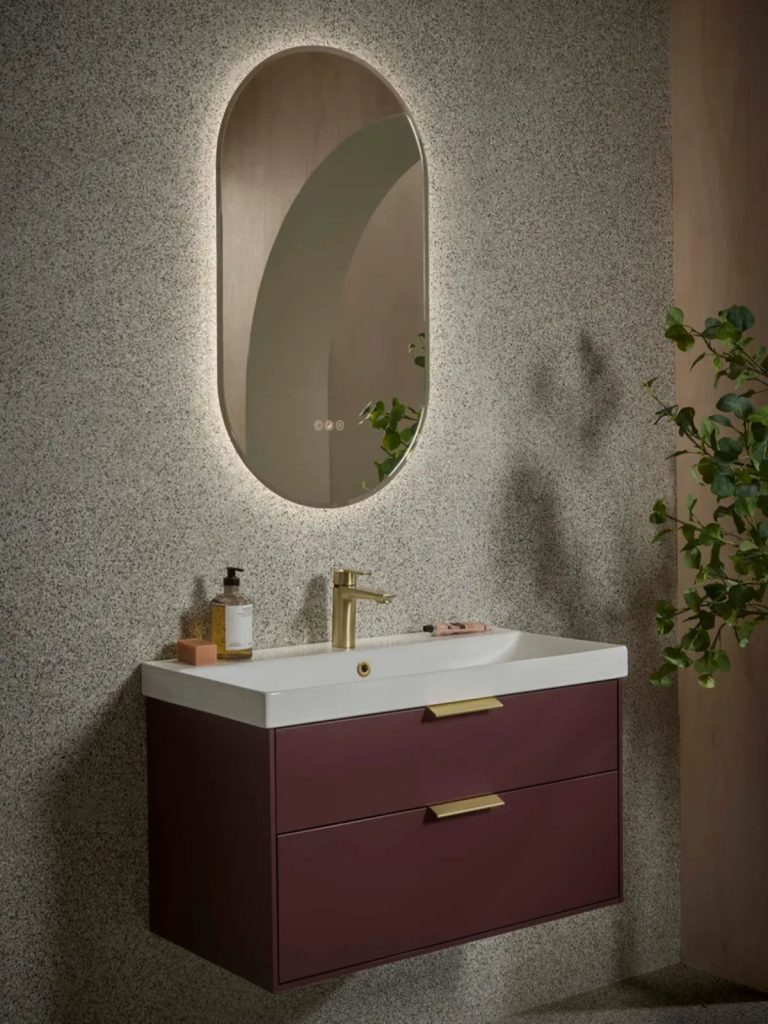
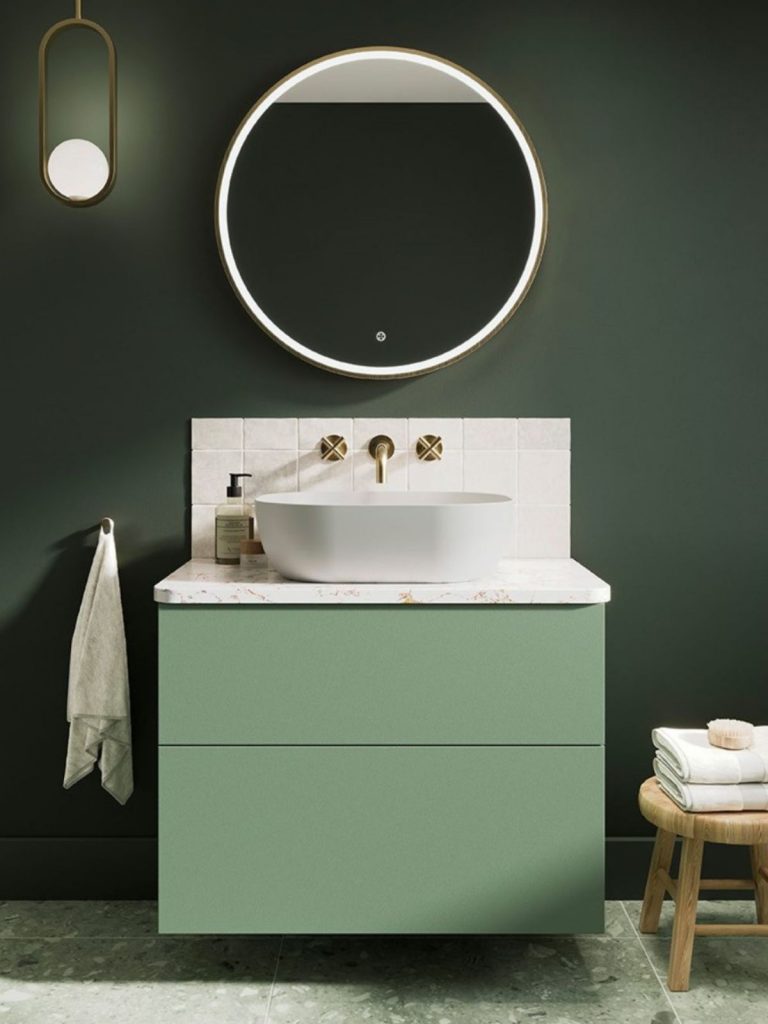
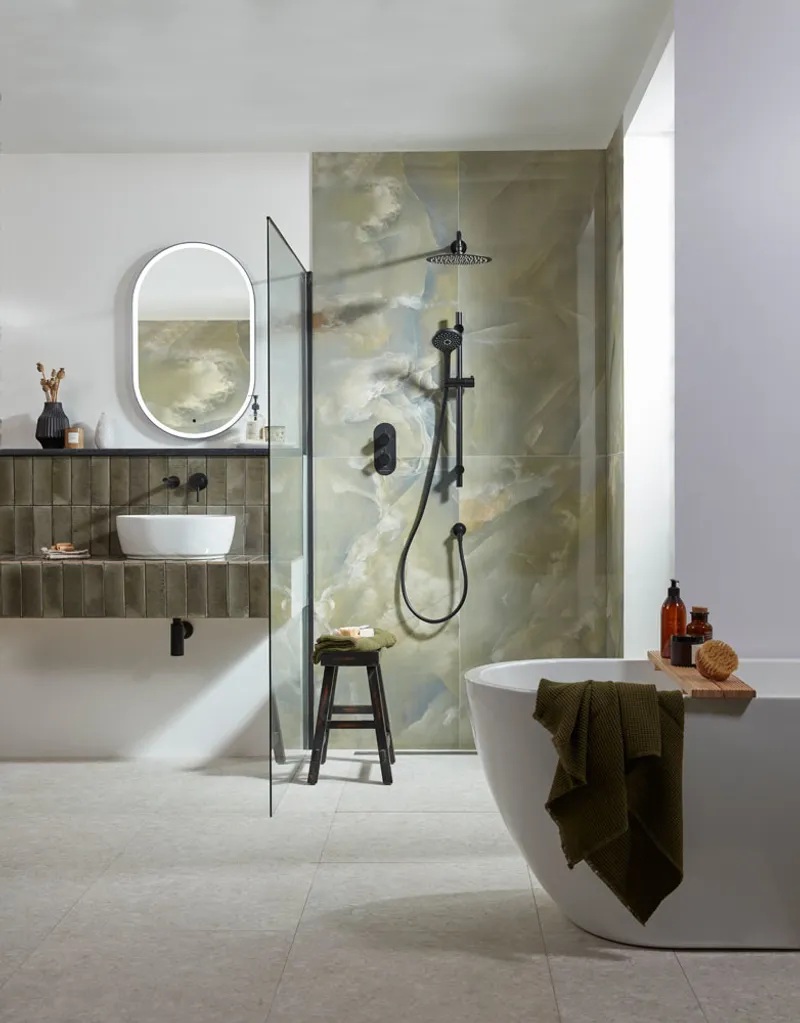
Once you know what you need, you can start thinking about style. Our Bathroom Inspiration gallery is a great place to begin. In 2026, the most popular looks include warm neutrals, natural textures, wet rooms, and floating vanities. These styles make even a small bathroom feel calm and spacious.
If you love a classic look, our Traditional Bathrooms range is a great fit. Think roll-top baths, cross-head taps, and timeless sanitaryware. On the other hand, if you prefer something clean and minimal, our Modern Bathrooms collection has everything you need — from frameless shower enclosures to wall-hung toilets and handleless vanity units.
Step 3: Plan Your Layout
Good layout planning saves you money and makes the finished bathroom much more enjoyable to use. The most important rule is this: do not move your soil pipe unless you have a very good reason.
In particular your existing toilet outlet sets the position for your new toilet. Everything else — the bath, basin, and shower — is then planned around that fixed point.
Keep these principles in mind as you plan:
- Keep fixtures in their current positions wherever possible — this is the easiest way to control costs
- Leave at least 700mm of clear space in front of the toilet and 1,000mm in front of the shower or bath
- Decide where towels, toiletries, and cleaning products will live before you finalise vanity sizes
- Plan your extractor fan position early — UK Building Regulations (Part F) require mechanical ventilation in rooms without an openable window
For smaller bathrooms, a wet room layout is well worth considering. Not only does it make the space feel bigger, but it also makes cleaning much easier day to day. See our How It Works page to find out how we help with layout planning at our showrooms.
Step 4: Choose and Order Your Products
This step needs to happen before you book any tradespeople. It sounds obvious — but it is one of the most common causes of project delays.
Custom vanities, bespoke shower enclosures, and specialist tiles can take 8–12 weeks to arrive. As a result, if you order late, your whole project stalls while you wait.
Here are typical 2026 product costs to guide your planning:
| Item | Budget | Mid-Range | Premium |
|---|---|---|---|
| Bath | £300 | £600–£900 | £1,250+ (freestanding) |
| Shower unit + enclosure | £400 | £800–£1,200 | £2,000+ |
| Toilet | £150 | £350–£500 | £800+ (wall-hung) |
| Basin + vanity unit | £200 | £500–£800 | £1,200+ |
| Taps and brassware | £100 | £250–£400 | £600+ |
| Heated towel rail | £150 | £300–£450 | £700+ |
Not sure where to start with your vanity? Our blog post How to Design the Perfect Bathroom Vanity covers sizing, finishes, and storage in plain English.
Similarly, if black brassware has caught your eye — it is one of the biggest trends in 2026 — read our guide to styling black showers and taps before you commit.
Above all, the best way to make confident choices is to see products in person. Book a free consultation at our Watford Bathroom Showroom or our Willesden Bathroom Showroom.
Step 5: Hire Your Trades
Most bathroom renovations need at least three trades: a plumber, an electrician, and a tiler. Some experienced fitters cover all three. Larger projects may also need a plasterer and decorator.
Whatever the scope, always get at least three quotes. And before you book anyone, check the following:
- Plumbers should be registered with CIPHE or APHC
- Electricians must be Part P registered — this is a legal requirement for bathroom electrical work in England and Wales
- Any gas work must be done by a Gas Safe registered engineer
- All trades must hold public liability insurance before they start
On the subject of permissions — most bathroom renovations do not need planning permission. However, all electrical work must comply with Part P. In addition, any structural changes need Building Regulations approval from your local authority before work begins.
Step 6: Demolition, First Fix and Plastering
Now the physical work begins. First, the whole bathroom is stripped back to bare walls and the structural floor. All existing tiles, cabinets, sanitaryware, and flooring come out.
Here is what to expect at this stage:
- Duration: 1–2 days for a standard bathroom
- Cost: £300–£1,000 including waste removal
- Skip hire if needed: around £320 per week for a 6–8 yard skip
Once the room is stripped, inspect every surface carefully. Look for damp, mould, rotten timber, and damaged pipes. It is far cheaper to deal with these now than after tiling is done. So do not rush this stage.
Next comes first fix. Your plumber and electrician run all pipes and cables to their new positions inside the walls and floor. This covers waste pipes, hot and cold supply lines, lighting cables, extractor fan wiring, and underfloor heating mats if you want them. Importantly, do not let plastering start until both trades have fully signed off their work.
After that, plastering follows. New plaster ideally needs 4–6 weeks to cure before tiling. If you are short on time, a bonding slurry primer can speed things up. Before any tiles go up in shower areas or wet rooms, apply a tanking membrane or liquid waterproofing. This step is often skipped on cheaper jobs — and it is the number one cause of damp and tile failure down the line.
Step 7: Tiling, Sanitaryware and Second Fix
The bath and shower tray go in before floor tiling starts. This is because the floor finish butts directly up to their edges. Getting the height and level right here is critical. Even a small error leaves a gap that is very hard to fix once tiles are in place.
Floor preparation comes next. In older UK properties, levelling compound is nearly always needed. After that, the floor tiles go down, followed by wall tiles. Work from the most visible wall outward for the best result.
At this stage, precision really matters. Consistent grout lines, level cuts, and clean corners are what make a bathroom look truly professional. For reference, tiling in 2026 costs between £150 and £350 per day for standard ceramic or porcelain.
Once tiling is complete, second fix sanitaryware begins. Your plumber returns to connect the toilet, basin, and bath, fit the vanity and cabinets, hook up the heated towel rail, and install all taps and showerheads. This is when the bathroom really starts to come alive. For more on vanity selection, see our guide: How to Design the Perfect Bathroom Vanity.
Step 8: Lighting, Siliconing and Snagging
Your electrician comes back to fit all the visible electrical items. These include ceiling lights, spotlights, the extractor fan, a shaver socket, the towel rail thermostat, and any accent lighting you have chosen.
Every fitting must carry the right IP rating for its zone. This is a legal requirement — not just a recommendation.
| Zone | Location | Minimum IP Rating |
|---|---|---|
| Zone 0 | Inside the bath or shower | IP67 |
| Zone 1 | Above bath/shower up to 2.25m | IP45 |
| Zone 2 | Within 600mm of Zone 1 | IP44 |
For lighting ideas, take a look at our Bathroom Inspiration gallery. A good mix of overhead, task, and accent lighting makes a huge difference to how a finished bathroom feels.
Next, silicone is applied around the bath, shower tray, basin, and all tile joints. Allow a full 24 hours to cure before you run any water. After that, paint any bare wall areas with a moisture-resistant emulsion. Finally, fit all accessories — towel rails, toilet roll holders, hooks, mirrors, and shelving.
The very last step is a thorough snagging check. Run every tap and shower. Flush the toilet. Check each joint for drips. Make sure all lights and ventilation work. Look over every grout line and silicone seal for gaps. Get everything sorted before the tradespeople leave.
How Long Does a Bathroom Renovation Take?
On site, the active work takes around 6–10 working days for a standard family bathroom. But from first planning to finished room, the total timeline is usually 10–14 weeks. Here is how that breaks down:
| Stage | Typical Duration |
|---|---|
| Design decisions and showroom visits | 2–4 weeks |
| Product ordering and lead times | 4–8 weeks |
| Trade availability and booking | 2–4 weeks |
| Active renovation work | 6–10 working days |
| Drying time (plaster, silicone, grout) | 1–2 weeks |
In London and Hertfordshire, good tradespeople are usually booked 4–6 weeks ahead. So the sooner you start planning, the better.
Ready to Start Your Bathroom Renovation?
The best first step is seeing your options in person. At MP Moran Showrooms, our team helps you make every decision with confidence — from suite selection and layout to finishes and tile combinations. No pressure. No jargon. Just honest, expert advice.
Finally explore our full bathroom range, browse Traditional Bathrooms or Modern Bathrooms, and get inspired in our Inspiration gallery.
Visit us at our Watford Bathroom Showroom or our Willesden Bathroom Showroom. Or simply book a free consultation today — we would love to help.
FAQs: How to renovate bathroom
How much does a bathroom renovation cost in the UK in 2026?
The cost of a bathroom renovation in the UK in 2026 varies considerably depending on room size, product quality, and whether structural or plumbing changes are involved. For a budget refresh — new sanitaryware, basic tiling, and straightforward fixtures — you can expect to spend between £2,000 and £4,500. A standard mid-range family bathroom with quality products and professional installation typically falls between £4,500 and £9,000, with the national average sitting around £6,000–£7,000 for a full renovation. Premium projects featuring luxury fixtures, bespoke vanities, and high-end tiling can reach £10,000–£20,000 or more. If you are based in London or the South East, add approximately 10–20% to national estimates to reflect higher local trade labour rates. Always build in a contingency fund of 15–20% on top of your core budget to cover unexpected discoveries once demolition begins.
Do I need planning permission to renovate a bathroom in the UK?
In the vast majority of cases, a bathroom renovation does not require planning permission in the UK, as it falls under permitted development rights for standard internal works. However, if you are altering your home’s structure — removing a load-bearing wall, creating a new bathroom within a loft or garage conversion, or working on a listed building — you will need the appropriate consents before any work begins. All electrical work carried out in a bathroom must comply with Part P of the Building Regulations, meaning it must be carried out by a Part P-registered electrician or formally notified to your local building control authority on completion. If your project involves any gas pipework or boiler connections, a Gas Safe registered engineer must carry out that element of the work by law. When in doubt, contact your local authority’s building control team before committing to a scope of work, as it is always better to check early than to face enforcement issues or complications when selling your property later.
In what order should a bathroom renovation be completed?
The correct sequence is critical to avoiding costly rework and protecting new finishes throughout the project. The order should always follow this progression: planning, design decisions, and product ordering first; then demolition and strip-out; followed by first fix pipework and electrics; then plastering and waterproofing; bath and shower tray installation; floor preparation and tiling; wall tiling; second fix sanitaryware, vanity, and cabinets; electrical second fix and lighting; and finally siliconing, painting, and accessories. Skipping or reordering stages — for example, tiling before pipework is signed off, or fitting cabinets before grout has fully cured — leads to remedial work that quickly consumes your contingency budget and delays the overall project. Each step in the process protects the work that comes after it, which is why sequencing is just as important as the quality of the products and trades you choose. Following this guide from start to finish ensures nothing needs to be undone.
How long does a bathroom renovation take from start to finish?
Active renovation work — the period when tradespeople are physically on site — typically takes between 6 and 10 working days for a standard UK family bathroom. However, the total project duration from your first planning conversation to a finished, usable bathroom is usually 10 to 14 weeks, accounting for design decisions and showroom visits, product ordering and manufacturing lead times, trade availability and scheduling, active on-site renovation, and drying time for plaster, grout, and silicone. Custom vanities and bespoke shower enclosures can carry lead times of 8–12 weeks from certain manufacturers, meaning late ordering is one of the most common causes of significant project delays. In London and Hertfordshire, quality tradespeople are typically booked 4–6 weeks in advance, so starting the planning process early is essential. Book a free consultation at your nearest MP Moran showroom to get the product selection process moving as early as possible.
Should I choose a traditional or modern bathroom style?
The right style depends on the age and character of your home, your personal aesthetic preferences, and how the bathroom connects to the rest of your interior. Traditional bathrooms — featuring roll-top or slipper baths, high-level cisterns, cross-head taps, and classic floor tiles — suit period properties beautifully and add a timeless warmth that doesn’t date as trends shift. Modern bathrooms, with frameless shower enclosures, wall-hung sanitaryware, handleless vanity units, and clean architectural lines, work brilliantly in contemporary homes and can also refresh older properties that need updating. In 2026, many homeowners are opting for a transitional approach — blending classic silhouettes with modern materials and finishes for a look that feels both current and enduring. Our Traditional Bathrooms and Modern Bathrooms collections both offer extensive ranges across all budgets, and our showroom specialists can help you find exactly the right balance for your home and lifestyle.
Can I save money by doing some of the bathroom renovation myself?
There are areas where competent DIYers can legitimately reduce costs, and areas where attempting to DIY is a false economy at best and a genuine safety risk at worst. Painting, fitting accessories and mirrors, installing shelving, and laying certain flooring types such as vinyl or click-fit SPC are all reasonable DIY tasks for someone with basic skills and the right tools available. However, plumbing, tiling, and all electrical work in a bathroom should be left to qualified professionals — not only because quality of finish matters enormously in a high-moisture environment, but because bathroom electrical work is a notifiable activity under Part P of the Building Regulations and must be certified on completion. Poor tiling, inadequate waterproofing, and substandard plumbing connections are the three most common sources of expensive remedial work in bathroom renovations, often costing far more to put right than the original labour saving. Investing in skilled trades for the critical stages protects your overall investment and ensures the bathroom performs well for many years of daily use.
What bathroom products should I prioritise when working to a budget?
When allocating a limited budget, focus spending on the elements that see the most daily use and that are the most disruptive or expensive to replace after the renovation is complete. Your primary bathing fixture — whether shower enclosure, shower tray, or bath — deserves a meaningful proportion of the budget, as quality fittings make a genuine difference to daily comfort and long-term durability. Taps and brassware are touched hundreds of times a year, so investing in quality finishes that resist tarnishing and corrosion pays real dividends over time compared to cheap alternatives that fail within a few years. Good waterproofing materials and quality tile adhesive are invisible once finished but protect your entire investment from moisture damage that would otherwise be devastating and expensive to remedy. Accessories, decorative mirrors, and soft furnishings are easy and inexpensive to upgrade at a later stage, so these can be addressed on a tighter initial budget without compromising the quality of the core renovation. Visit our Bathrooms pages to explore our full product range across all budget levels, or browse our Inspiration gallery to help clarify your priorities before visiting the showroom.
Why is it worth visiting a bathroom showroom before buying products online?
Buying bathroom products online without seeing them in person is one of the most common sources of disappointment in bathroom renovations — colours, finishes, and sizes rarely look exactly as they appear on screen, and the quality of sanitaryware and brassware varies enormously at similar price points. Visiting a showroom allows you to see how different finishes look under real lighting conditions, feel the weight and quality of taps and fittings in your hands, understand how individual fixtures relate to each other in terms of scale and proportion, and get expert advice on technical compatibility — for example, ensuring your chosen taps match your water pressure and that your shower valve is suited to your boiler type. Our specialists at MP Moran Showrooms can also help you identify exactly where your budget is best spent and flag potential issues before you commit to a full specification. We have bathroom displays at both our Watford Bathroom Showroom and our Willesden Bathroom Showroom — book a free appointment and come and see the difference for yourself.
Related Posts